


Inca Trail vs. Salkantay Trek: Which Route Is Right for You?
Two Remarkable Ways to Reach Machu Picchu
There is something special about approaching Machu Picchu on foot. Long before you reach the famous Inca citadel, the journey itself becomes part of the experience: mountain passes, changing landscapes, small moments of quiet, and the anticipation of finally arriving at one of Peru’s most extraordinary places.
But choosing the right trekking route isn’t always straightforward.
Two names appear again and again when travelers begin planning: the Inca Trail and the Salkantay Trek.
Both offer extraordinary experiences in the Peruvian Andes, yet they are quite different.
The Inca Trail is closely connected to the history of the Inca civilization, following sections of an ancient road network and passing remarkable archaeological sites. Salkantay, meanwhile, is particularly appealing to travelers drawn to dramatic mountain landscapes, remote valleys, and the changing natural environments of the Andes.
Neither route is automatically better.
The right choice depends on what excites you most about trekking, how comfortable you feel with challenging hikes, and how much time you want to dedicate to the experience.
There is also a third option worth considering: the Short Inca Trail, which offers an opportunity to walk part of the historic route without committing to a four-day trek.
Let’s explore the differences so you can choose an experience that genuinely suits the way you want to discover Peru.
Inca Trail vs. Salkantay Trek: The Main Differences
Although both treks lead toward Machu Picchu, they follow different routes and offer distinct experiences.
| Feature | Classic Inca Trail | Salkantay Trek |
|---|---|---|
| Typical duration | 4 days | 5 days |
| Main attraction | Inca history and archaeological sites | Mountain landscapes and natural diversity |
| Highest elevation | Approximately 4,215 m | Approximately 4,630 m, depending on route |
| Trekking difficulty | Challenging | Challenging, often more demanding at high altitude |
| Permits | Limited official permits required | No Classic Inca Trail permit; other reservations and rules still apply |
| Accommodation | Usually camping | Camping or lodges, depending on itinerary |
| Arrival at Machu Picchu | Traditionally through the Sun Gate | Usually via Aguas Calientes |
| Best suited for | History and archaeology enthusiasts | Mountain and nature enthusiasts |
These are general characteristics of the most commonly offered routes. Exact distances, accommodation and logistics depend on the itinerary and operator.
The important thing to remember is that both treks require preparation. Neither should be treated as an effortless walk simply because it is popular with international travelers.
What Makes the Classic Inca Trail Special?
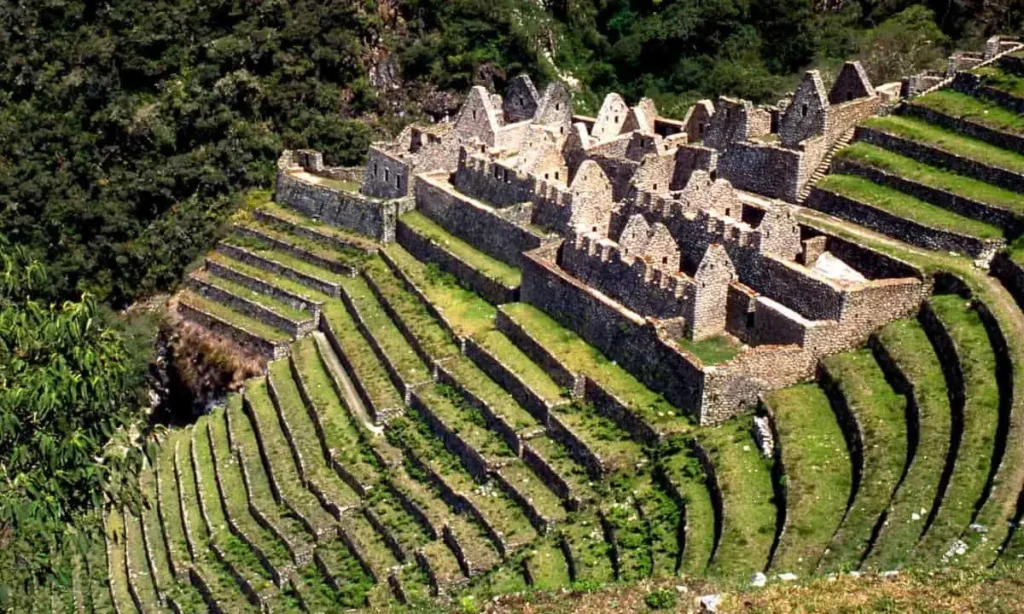
The Classic Inca Trail is one of South America’s most celebrated trekking experiences, and its appeal goes far beyond reaching Machu Picchu.
The route follows part of the extensive road network developed by the Inca civilization, passing through mountain landscapes, cloud forest and impressive archaeological remains.
As you walk, the changing environment reveals how these ancient pathways connected different ecological zones and important settlements.
Walking Through Inca History
For travelers interested in archaeology, the Inca Trail offers something particularly meaningful.
Rather than visiting historical sites only by vehicle, you experience the landscape through which people once traveled.
Stone paths, stairways, terraces and archaeological complexes appear along the route.
The journey creates a connection between the natural surroundings and the sophisticated engineering of the Inca civilization.
Your guide can help explain the history of these places, the purpose of different structures and the significance of the wider Andean landscape.
The Experience of Arriving Through the Sun Gate
One of the most memorable features of the traditional Inca Trail experience is approaching Machu Picchu through Inti Punku, the Sun Gate.
After days of hiking, the first view of the sanctuary can feel particularly rewarding.
There is a sense of accomplishment in arriving on foot after following an ancient route through the mountains.
However, the exact experience depends on your itinerary, authorized access and current route conditions.
What Should You Know Before Choosing the Inca Trail?
The Classic Inca Trail is regulated and requires advance reservations through an authorized operator.
Permits are limited, and availability can become particularly restricted during popular travel periods.
The trail also involves several days of trekking, camping and changes in elevation.
For travelers who enjoy archaeological discovery and want a multi-day hiking experience steeped in history, the Classic Inca Trail can be an excellent choice.
You can explore our Classic Inca Trail to Machu Picchu Trek and discover the trekking experiences available through Peru Agency.
What Makes the Salkantay Trek Different?
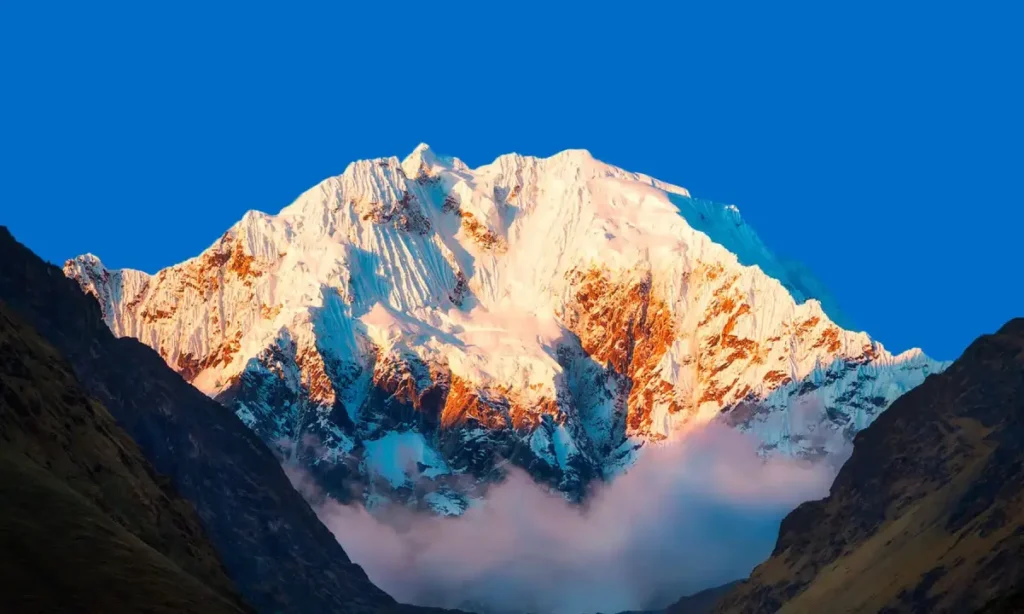
If the Inca Trail is particularly memorable for its archaeological heritage, Salkantay stands out for the scale and variety of its natural landscapes.
The route takes its name from the imposing Salkantay Mountain, one of the most striking peaks in the Cusco region.
During the journey, travelers encounter high mountain environments, broad valleys and landscapes that gradually change as the route descends toward warmer elevations.
Spectacular Mountain Scenery
The views are among the greatest attractions of the Salkantay Trek.
On clear days, snow-covered peaks rise above the surrounding mountains, creating a dramatic contrast with the valleys below.
The landscapes feel vast and, at times, wonderfully remote.
For photographers and travelers who enjoy spending time in nature, these surroundings can be one of the most rewarding parts of the experience.
Changing Environments Along the Route
Another distinctive feature of Salkantay is the transition between different ecological zones.
Depending on the itinerary, you may begin among high Andean landscapes and later descend toward greener valleys with different vegetation and climate conditions.
This variety gives the trek a strong sense of progression.
The landscape changes as you travel, offering a different perspective on the geographical diversity of southern Peru.
Is the Salkantay Trek More Difficult?
Salkantay can be particularly demanding because of its altitude, daily hiking distances and changing weather conditions.
Some itineraries cross elevations above 4,500 meters, making acclimatization and physical preparation important.
However, trekking difficulty also depends on your pace, previous hiking experience and the specific route.
A traveler who regularly hikes in the mountains may find some sections manageable, while someone unfamiliar with high-altitude walking may find them challenging.
If Salkantay appeals to you, explore our Salkantay Trek to Machu Picchu in 5 Days to see how the journey is organized.
Which Trek Is Harder: Inca Trail or Salkantay?
This is one of the most common questions travelers ask, but there isn’t a single answer that applies to everyone.
Both treks can be physically demanding.
The Classic Inca Trail includes steep stone stairways, significant elevation changes and several days of hiking.
Salkantay typically reaches a higher elevation and can involve longer stretches through exposed mountain terrain.
For many travelers, Salkantay’s altitude and terrain make it the more demanding option, although the Inca Trail should never be underestimated.
Your experience will depend on several factors:
- Your general fitness and previous hiking experience.
- Your ability to walk uphill and downhill for several hours.
- How your body responds to altitude.
- Weather and trail conditions.
- The number of hiking days and daily distances.
- The support services included in your itinerary.
Good preparation matters more than simply choosing the route described as easier.
If you’ve never trekked at high altitude, give yourself sufficient time in the Cusco region before beginning a demanding mountain journey.
And remember that altitude-related illness can affect people regardless of their fitness level. Significant or worsening symptoms require appropriate medical attention.
What About the Short Inca Trail?
Not everyone who dreams of walking the Inca Trail wants to spend four days trekking and camping.
The Short Inca Trail offers a different way to experience part of this famous route.
Often organized as a two-day program, it includes one main day of hiking followed by an overnight stay in Aguas Calientes and a guided visit to Machu Picchu.
From Kilometer 104 to the Sun Gate
The journey typically begins at Kilometer 104 of the railway toward Machu Picchu.
From there, travelers follow a historic Inca route through mountain and cloud forest landscapes.
One of the important archaeological highlights is Wiñay Wayna, a remarkable complex featuring agricultural terraces and stone structures set into the mountainside.
Continuing along the trail, hikers can approach Machu Picchu through Inti Punku, the Sun Gate, subject to authorized access and current conditions.
The experience combines history, archaeology, walking and remarkable scenery within a shorter timeframe.
Who Should Choose the Short Inca Trail?
This alternative is particularly appealing to travelers who:
- Want to experience an authentic section of the Inca Trail.
- Prefer not to spend several nights camping.
- Have limited time within a longer Peru itinerary.
- Enjoy active experiences but do not want a four-day trek.
- Want to combine Machu Picchu with other regions of Peru.
Although shorter, the hike still requires reasonable fitness and preparation.
It also belongs to the regulated Inca Trail network, so permits and advance booking remain important.
For travelers planning a broader adventure, this route can provide a satisfying balance between trekking and time available for other destinations.
Discover our Short Inca Trail to Machu Picchu in 2 Days.
Can You Combine the Inca Trail With the Amazon Rainforest?
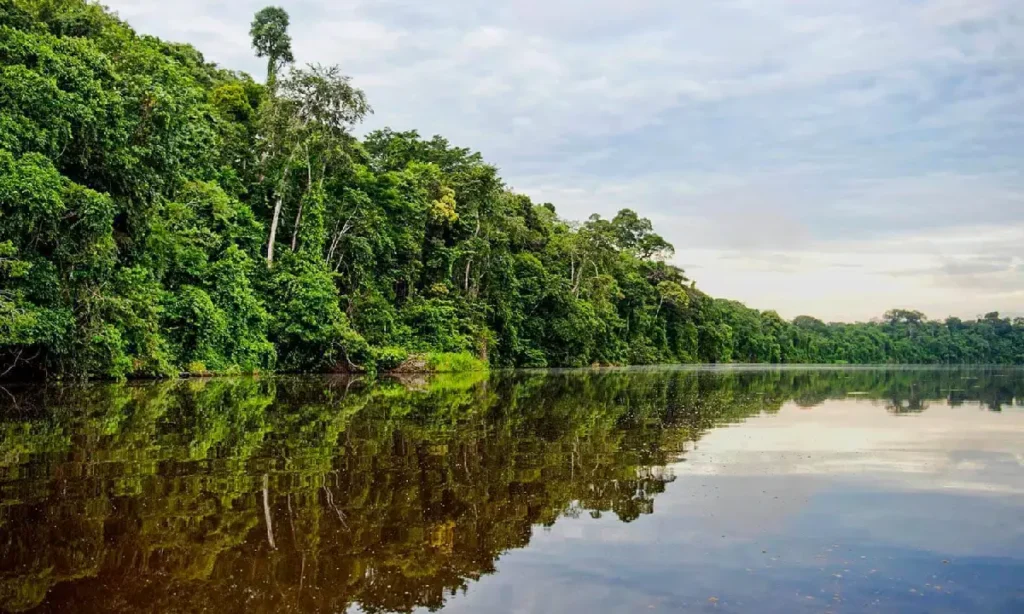
Yes, and this can be a particularly rewarding combination.
The Andes and the Amazon offer two very different sides of Peru.
In Cusco, you discover mountain scenery, archaeological heritage and traditions shaped by centuries of Andean history.
In the Amazon rainforest, the environment changes dramatically. Tropical vegetation, river journeys and wildlife experiences introduce you to another extraordinary part of the country.
Combining both regions allows you to appreciate Peru’s remarkable natural and cultural diversity.
Why Puerto Maldonado Works Well After Cusco
Puerto Maldonado is an important gateway to the Tambopata region of the Peruvian Amazon.
Depending on available flight schedules, travelers can connect the Cusco region with Puerto Maldonado and continue by road and boat toward a rainforest lodge.
The transition is striking.
After days exploring the Andes, you’ll find yourself surrounded by tropical forest, rivers and wildlife.
Guided excursions may include nature walks, boat journeys and opportunities to observe birds, monkeys and other rainforest species.
Wildlife sightings are never guaranteed, and the best experiences focus on respectful observation rather than close interaction with wild animals.
How Much Time Should You Allow?
If you want to combine a trekking experience with Machu Picchu and the Amazon, a longer itinerary generally works better than attempting to fit everything into one week.
You’ll need time to adjust to altitude, complete your chosen hike, travel between regions and enjoy the rainforest without rushing.
This is why a two-week journey can be an attractive option for travelers who want variety while keeping the route organized.
A 14-Day Peru Adventure With the Short Inca Trail and Amazon
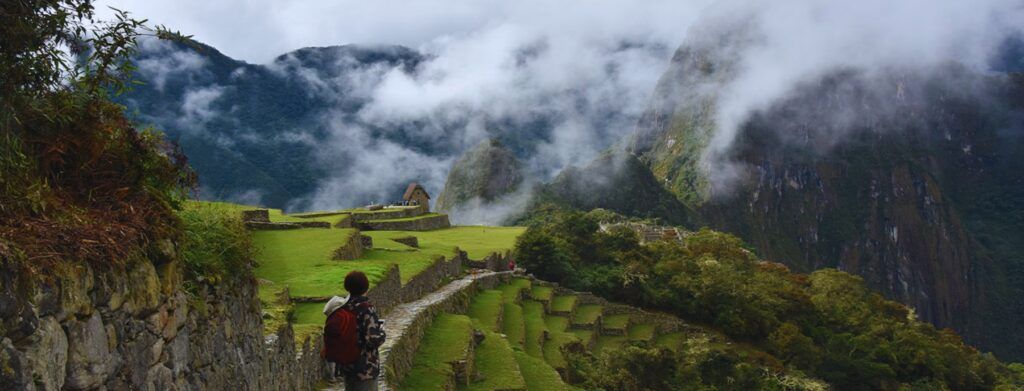
For travelers who want to experience more than one side of Peru, our 14-Day Peru Tour: Inca Trail, Machu Picchu and Amazon brings together several contrasting landscapes and cultural experiences.
Unlike a four-day Classic Inca Trail expedition, this particular itinerary uses the Short Inca Trail from Kilometer 104.
That distinction makes the program suitable for travelers who want a substantial hiking experience while preserving time for other destinations.
The journey includes coastal experiences around Lima and Ica, time in Cusco and the Sacred Valley, the Short Inca Trail and Machu Picchu, and a rainforest stay in the Tambopata region.
Travelers can experience ancient Inca heritage, Andean landscapes, desert scenery and tropical nature within the same vacation.
The itinerary also includes Rainbow Mountain, subject to operating conditions and the traveler’s suitability for a demanding high-altitude excursion.
Why the Order of Destinations Matters
A well-organized itinerary is particularly important when combining different regions.
Time in Cusco before trekking helps travelers adjust to altitude and become familiar with the Andean environment.
The Short Inca Trail and Machu Picchu visit then form an important cultural and active part of the journey.
After completing the mountain experiences, the route continues toward Puerto Maldonado for a contrasting rainforest stay.
The overall schedule includes transport and accommodation arrangements designed to connect these destinations.
Domestic flights are not included in the published package, so their cost and availability must be considered separately when planning the trip.
The final route, transport connections and reservations should be confirmed for your specific travel dates.
When Should You Book the Inca Trail?
If you are considering either the Classic or Short Inca Trail, booking well in advance is sensible.
Official permits are limited and allocated according to the authorized route and date.
Availability can become restricted during popular travel periods, particularly when travelers have fixed vacation dates.
The Inca Trail network also normally closes during February for annual conservation and maintenance work. Exact operating conditions should always be confirmed for your intended travel dates.
Salkantay is generally more flexible in terms of access because it does not use the Classic Inca Trail permit system, although trekking services, accommodation and Machu Picchu tickets still require planning.
If your travel dates are fixed, it is better to confirm availability before making non-refundable arrangements.
How to Choose the Right Trek for Your Travel Style
There’s no reason to choose the Classic Inca Trail simply because it is famous, or Salkantay because someone describes it as more adventurous.
Consider what matters most to you.
Choose the Classic Inca Trail If You Love History
The ancient road network, archaeological complexes and arrival toward Machu Picchu create an experience with a strong cultural focus.
For travelers interested in the Inca civilization, these elements can make the journey particularly meaningful.
Choose Salkantay If Mountain Landscapes Are Your Priority
If you dream of dramatic peaks, changing natural environments and challenging mountain hikes, Salkantay may be more appealing.
The landscape itself becomes the main attraction.
Choose the Short Inca Trail If You Want More Variety
If you have limited trekking time or want to combine Machu Picchu with additional regions, the Short Inca Trail is worth considering.
It offers a rewarding section of the historic route without requiring several days of camping.
For travelers interested in combining the Andes with the Amazon rainforest, this can be a particularly practical choice.
Frequently Asked Questions About the Inca Trail and Salkantay Trek
Is the Inca Trail better than Salkantay?
Neither is universally better. The Inca Trail is particularly appealing for its archaeological heritage, while Salkantay is celebrated for its mountain landscapes and natural diversity. The best choice depends on your interests and preferred trekking experience.
Is Salkantay more difficult than the Inca Trail?
Salkantay is often considered more demanding because of its higher elevations and challenging mountain terrain. However, the Classic Inca Trail also involves steep climbs, descents and several consecutive hiking days.
Can you reach Machu Picchu through the Sun Gate on both treks?
The Classic and Short Inca Trail routes traditionally approach Machu Picchu through the Sun Gate, subject to current regulations and access conditions. Most standard Salkantay itineraries reach the Machu Picchu area through Aguas Calientes instead.
Do you need a permit for the Salkantay Trek?
Salkantay does not require the same limited permit used for the regulated Classic Inca Trail. However, Machu Picchu admission and certain services still require advance reservations, and local access rules may apply.
Can beginners hike the Inca Trail?
Some beginners can complete the route with suitable preparation, good health and an appropriate pace. Nevertheless, the Classic Inca Trail is physically demanding, and previous hiking experience can be helpful.
Is the Short Inca Trail easier than the Classic Inca Trail?
The Short Inca Trail involves fewer hiking days and no multi-night camping expedition in its usual two-day format. However, its main hiking day still includes uphill sections and requires reasonable physical fitness.
Can I combine the Inca Trail and the Amazon in two weeks?
Yes. A carefully planned two-week vacation can combine a trekking experience, Machu Picchu and the Amazon rainforest. The exact route depends on whether you choose the Classic or Short Inca Trail and how many days you want to spend in each region.
Final Thoughts: Which Trek Should You Choose?
The Inca Trail and Salkantay offer two remarkable ways to experience the Peruvian Andes.
One invites you to follow historic pathways and discover the extraordinary heritage of the Inca civilization. The other takes you through spectacular mountain landscapes and changing natural environments.
And for travelers who want a taste of the historic route without committing to several days of camping, the Short Inca Trail provides another compelling possibility.
The most rewarding choice is the one that matches your interests, fitness, available time and expectations.
At Peru Agency, we help travelers explore the different ways to discover Machu Picchu and the surrounding Andes, whether through a dedicated trekking expedition or a longer journey combining several regions.
Interested in experiencing both the Inca Trail and the Amazon rainforest?
Discover our 14-Day Inca Trail, Machu Picchu and Amazon Tour and explore how to combine ancient Inca heritage, spectacular landscapes and rainforest experiences in one carefully planned Peru adventure.