


How to Plan Your First Trip to Peru: What You Need to Know
Planning your first trip to Peru means choosing between extraordinary destinations, each offering a different side of the country. Ancient Inca sites, Andean landscapes, the Amazon rainforest, and vibrant coastal cities can all be part of the experience, but distances, altitude, and transportation require careful consideration.
The most successful Peru trips are not necessarily the ones with the most destinations. They balance travel time, sightseeing, and experiences around your interests.
This first-time Peru travel guide covers the essential decisions to make before booking, from choosing the right season and itinerary to organizing Machu Picchu tickets, accommodation and transportation.
1. Decide How Many Days You Need in Peru
The length of your trip determines which destinations you can realistically include.
For a first visit, seven to ten days can provide an excellent introduction to Lima, Cusco, the Sacred Valley and Machu Picchu.
With two weeks, you can consider adding destinations such as the Amazon rainforest, Lake Titicaca or the southern coast, depending on your preferred route.
Three weeks offer greater flexibility to explore several regions and enjoy a more relaxed travel pace.
Consider your international arrival and departure dates before deciding how many days you actually have available. A ten-day vacation does not always mean ten full days of sightseeing.
If you are still deciding how long to stay, our Peru itinerary guides can help you understand the different possibilities.
2. Choose the Destinations That Match Your Interests
Peru is traditionally divided into three major geographical regions: the Coast, the Andes and the Amazon. Each offers distinct landscapes, cultural experiences and travel conditions.
Lima: Food, History and Coastal Culture

Most international visitors begin their journey in Lima, Peru’s capital.
The city combines colonial architecture, contemporary neighborhoods, museums and a renowned culinary scene. Miraflores and Barranco are particularly popular with visitors, while the historic center offers an introduction to Peru’s colonial past.
Lima deserves time beyond an airport connection, especially for travelers interested in food, history and urban culture.
Cusco and the Sacred Valley: Peru’s Inca Heritage
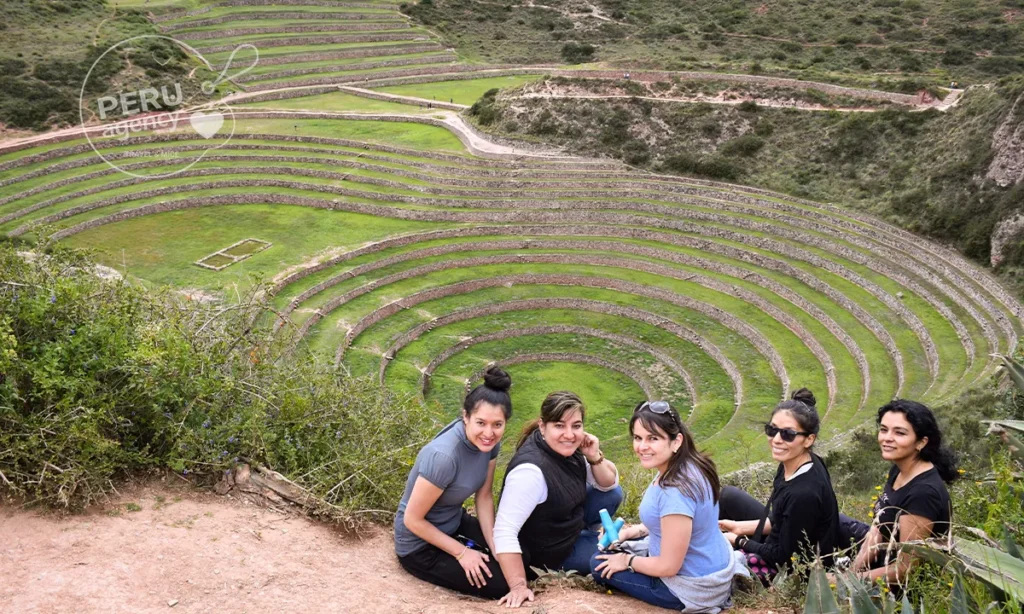
Cusco is one of the country’s most significant cultural destinations.
The former capital of the Inca Empire is surrounded by archaeological sites, traditional villages and spectacular mountain scenery.
The nearby Sacred Valley is home to Ollantaytambo, Pisac, Moray and the Maras Salt Mines, making it an important part of most first-time itineraries.
Machu Picchu: The Essential Experience
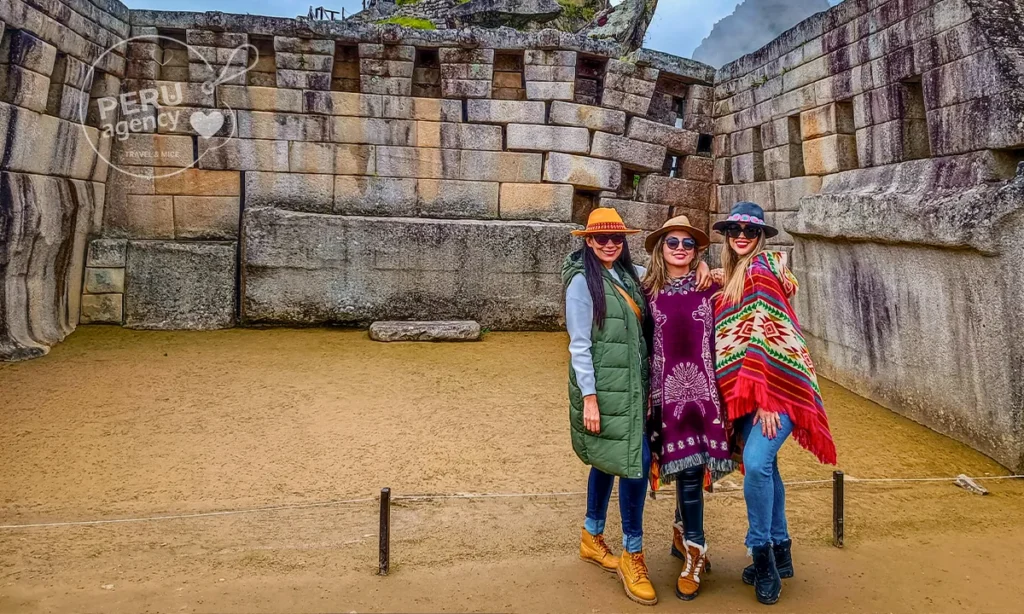
For many visitors, Machu Picchu is the main reason for traveling to Peru.
The archaeological sanctuary is usually reached by train to Aguas Calientes, followed by a bus transfer to the entrance.
Because tickets are issued for specific circuits, dates, and times, this visit should be one of the first experiences you organize.
The Amazon Rainforest: Nature and Wildlife
The Peruvian Amazon offers a completely different experience from the Andes.
Destinations such as Puerto Maldonado and Iquitos offer guided nature walks, river excursions, rainforest accommodation, and wildlife observation.
If rainforest experiences are important to you, allow several days for transportation and exploration rather than adding a single rushed excursion.
Southern Peru: Desert Landscapes and Lake Titicaca
The southern part of the country offers further opportunities to experience Peru’s diversity.
Paracas and Huacachina combine marine wildlife with desert adventures, while Arequipa and Colca Canyon offer remarkable scenery and regional culture.
Lake Titicaca provides opportunities to learn about traditional communities and life in the Andean highlands.
These destinations can be excellent additions when your travel schedule allows.
3. Choose the Best Time to Visit Peru
Weather conditions vary significantly between Peru’s regions.
For Cusco, the Sacred Valley and Machu Picchu, the relatively dry months from May to September are generally popular for sightseeing and outdoor activities.
April and October can also be attractive options, although conditions are more variable.
Lima and the Pacific coast are typically warmer during the Southern Hemisphere summer, while the Amazon experiences seasonal changes in rainfall and river levels.
Rather than choosing travel dates based on a single national weather forecast, consider the conditions in each destination on your itinerary.
Our Best Time to Visit Peru guide provides more detailed seasonal information.
4. Plan for Altitude in Cusco and the Andes
Altitude is an important consideration when traveling to the Peruvian Andes.
Cusco sits at approximately 3,400 meters above sea level, while some excursions, including Rainbow Mountain, reach significantly higher elevations.
Travelers can experience symptoms of altitude sickness regardless of their fitness level.
For a more comfortable journey, avoid scheduling strenuous hikes immediately after arriving in Cusco, allow time for acclimatization, and seek medical advice before traveling if you have relevant health concerns.
Some itineraries include an early stay in the Sacred Valley, which is generally lower than Cusco, as part of their altitude planning.
Read our Altitude in Peru guide for additional information.
5. Book Machu Picchu Tickets Before Finalizing Your Itinerary
Machu Picchu has regulated visitor access, and entrance tickets are issued for specific visiting circuits and times.
The different circuits offer different experiences, so it is important to understand which option corresponds to the visit you want.
Your entrance reservation should be coordinated with train schedules, hotel arrangements and transfers.
If you are interested in hiking the Inca Trail, remember that permits are limited and must be arranged through authorized operators.
For a first trip, organizing these reservations early can help avoid unnecessary changes to the rest of your itinerary.
6. Organize Transportation Between Destinations
Peru’s geography makes transportation a central part of travel planning.
Domestic flights are often the most efficient way to connect Lima with Cusco, Arequipa or Amazon destinations.
Road transfers are useful for visiting nearby attractions and traveling through the Sacred Valley.
Train services are particularly important for reaching Aguas Calientes and Machu Picchu.
When comparing transportation options, consider the total journey time rather than the journey itself. Airport transfers, waiting periods and hotel changes can all affect your schedule.
For detailed advice, see our Getting Around Peru guide.
7. Select Accommodation That Supports Your Itinerary
The right hotel is not simply a matter of star rating.
Location, accessibility, travel schedules, and the overall atmosphere can significantly influence your experience.
In Lima, Miraflores and Barranco are popular choices for international visitors.
In Cusco, accommodation close to the historic center offers convenient access to restaurants and cultural attractions.
The Sacred Valley provides a quieter alternative, with countryside properties, mountain views and boutique accommodation.
For an Amazon journey, the location of your rainforest lodge and its included excursions are particularly important.
When traveling between several destinations, choose accommodation that works with your route rather than adding unnecessary transfers.
8. Understand Your Travel Budget
Your budget should reflect the complete journey, not just accommodation and flights.
Important expenses may include domestic transportation, Machu Picchu tickets, train services, guided excursions, meals, entrance fees, travel insurance, and personal purchases.
Costs also vary according to group size, room occupancy, season, and whether you prefer shared or private services.
A customized itinerary can help clarify what is included and identify expenses that may need to be paid separately.
For a more detailed breakdown, read our guide to Money in Peru: Currency, Costs, Cards, ATMs & Tipping.
9. Check Travel Documents and Practical Requirements
Before traveling, confirm the entry requirements that apply to your nationality.
Visa rules, passport requirements and permitted lengths of stay can vary, so consult official Peruvian authorities before departure.
Travel insurance is also worth considering, particularly if your itinerary includes trekking, high-altitude activities or remote destinations.
Pack according to the regions you plan to visit. A journey combining Lima, Cusco and the Amazon may require clothing suitable for warm coastal conditions, cold mountain evenings and humid rainforest weather.
Comfortable walking shoes, sun protection, rain protection, and any necessary personal medication are essential.
10. Decide Whether to Travel Independently or Book an Organized Tour
Independent travel offers flexibility and allows you to choose each service separately.
However, coordinating several destinations in Peru requires careful attention to domestic flights, entrance reservations, transportation schedules, and accommodation.
An organized tour can simplify these arrangements, especially for travelers with limited time or those visiting Peru for the first time.
Private and tailor-made journeys also allow you to adjust activities, accommodation categories and the pace of travel to your preferences.
At Peru Agency, our travel specialists can help you design a route based on the destinations you want to experience and the time you have available.
Common Mistakes to Avoid When Planning Your First Trip to Peru
A few common planning mistakes can affect an otherwise excellent journey.
Trying to visit too many destinations. Peru is geographically diverse, and long transfers can reduce your sightseeing time.
Leaving Machu Picchu reservations too late. Entrance tickets and train schedules should be coordinated before traveling.
Ignoring altitude. Allow sufficient time to adjust before demanding mountain activities.
Underestimating transportation time. A short flight may still require several hours of transfers and airport procedures.
Choosing tours based only on price. Always review the actual inclusions, hotel category, guide arrangements, and transportation services.
Leaving no flexibility in the schedule. Weather and transportation disruptions can occur, particularly when traveling through several regions.
Frequently Asked Questions About Planning a Trip to Peru
Is Peru a good destination for first-time visitors to South America?
Yes. Peru offers established tourism services, a wide selection of guided experiences and internationally recognized attractions. Careful planning is important when combining distant regions and high-altitude destinations.
How far in advance should I plan a trip to Peru?
Planning several months ahead is advisable for popular travel periods, particularly when your itinerary includes Machu Picchu or the Inca Trail. Exact booking lead times depend on availability and the services you require.
Can I visit Peru without speaking Spanish?
Yes. English-speaking guides and tourism services are available in major visitor destinations, although learning some basic Spanish phrases can be helpful.
Should I visit the Sacred Valley before Cusco?
The Sacred Valley can be a useful starting point for some travelers because several areas are at a lower altitude than Cusco. The best order depends on your flight schedule, accommodation and planned activities.
Is it better to book a private Peru tour?
Private tours provide flexibility and personalized arrangements. They can be particularly useful for couples, families, and travelers with specific interests or schedules.
Plan Your First Peru Journey with Local Expertise
A successful trip to Peru begins with an itinerary that matches your interests, available time and preferred travel style.
Whether your priorities include Machu Picchu, Andean culture, the Amazon rainforest or a combination of several destinations, thoughtful planning makes the journey more enjoyable.
At Peru Agency, we organize personalized travel experiences with coordinated transportation, accommodation, local guides, and selected excursions.
Share your travel dates, number of travelers, and the places you would most like to visit. Our team can help you create a Peru itinerary designed around your plans.