


How to Get to Machu Picchu from Cusco: Train, Inca Trail & Trekking Options
Machu Picchu is one of those places that stays with you long after you leave. Imagine standing among ancient Inca stone walls, surrounded by green mountain peaks, with clouds drifting slowly across the valleys below. It is a moment many travelers dream about for years.
As someone who loves Peru and its extraordinary landscapes, I always tell visitors that getting to Machu Picchu is part of the experience, too. The journey can take you through beautiful Andean valleys by train, along ancient Inca paths, or across spectacular mountain scenery on a multi-day trek.
But which option is right for you?
If you are planning to visit Machu Picchu from Cusco, this guide will help you understand the different routes, how much time to allow, and what to consider before making your choice. My goal is simple: to help you enjoy this remarkable place safely, comfortably, and without unnecessary stress.
1. Traveling by Train: The Most Comfortable Way to Reach Machu Picchu
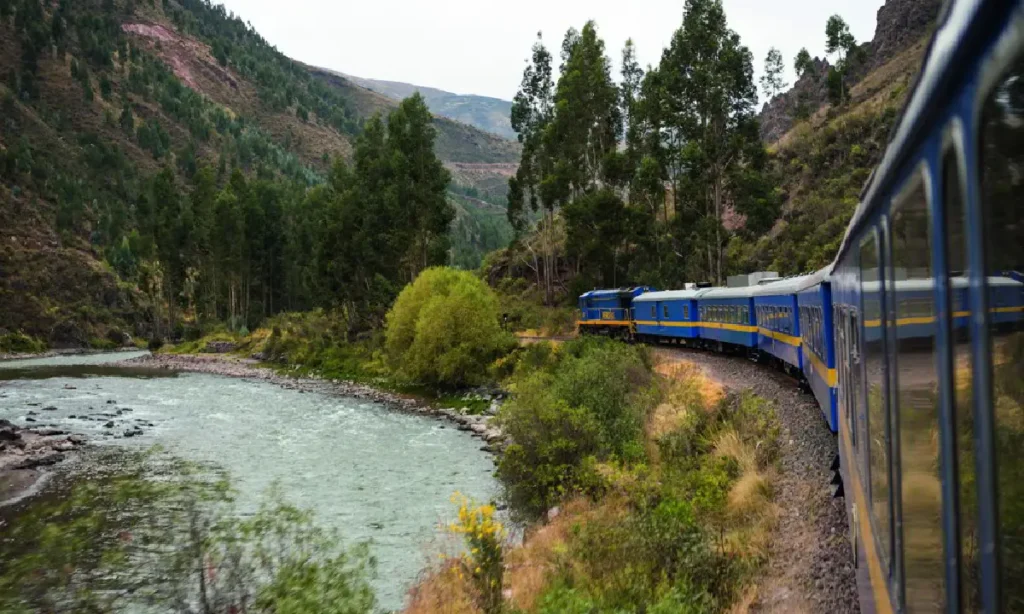
For many travelers, taking the train is the easiest and most comfortable way to reach Machu Picchu. It is also a lovely way to enjoy the changing scenery as you leave the high Andes behind and travel toward the greener landscapes of the cloud forest.
Two main companies, PeruRail and Inca Rail, operate tourist train services to Machu Picchu Pueblo, also known as Aguas Calientes, the town at the foot of the archaeological site.
How does the train journey work?
Most travelers follow these steps:
- Travel from Cusco to the train station. Depending on your service, you may depart from Ollantaytambo or use a combined bus-and-train service from Cusco.
- Enjoy the train ride. The route follows the Urubamba River through dramatic mountain scenery, gradually entering a greener, more tropical landscape.
- Arrive in Aguas Calientes. From the town, you can take the authorized shuttle bus or, if you prefer a more physically demanding option, walk uphill to the entrance of Machu Picchu.
- Visit the archaeological site. Your entrance ticket determines the circuit and entry time available to you, so plan your transport and visit together.
The train journey from Ollantaytambo generally takes around 1.5 hours, although the exact duration depends on the service. If you travel from Cusco by bus and train, allow additional time for the road transfer.
How much does the train cost?
Train fares vary according to the company, service, travel date, and availability. Your total budget should also account for transportation between Cusco and the station, the Machu Picchu entrance ticket, and the shuttle bus if you choose to use it.
I recommend booking your train and entrance tickets well in advance, especially if you are traveling during a busy period. Having the key arrangements confirmed makes the day much more relaxing.
Best for: Travelers who value comfort, beautiful scenery, and a convenient journey without a long hike.
My tip: If your schedule allows, spend a night in Aguas Calientes rather than trying to fit everything into one very long day from Cusco. You will have more time to rest and enjoy the experience without feeling rushed.
2. The Short Inca Trail: Two Days, One Beautiful Day of Hiking
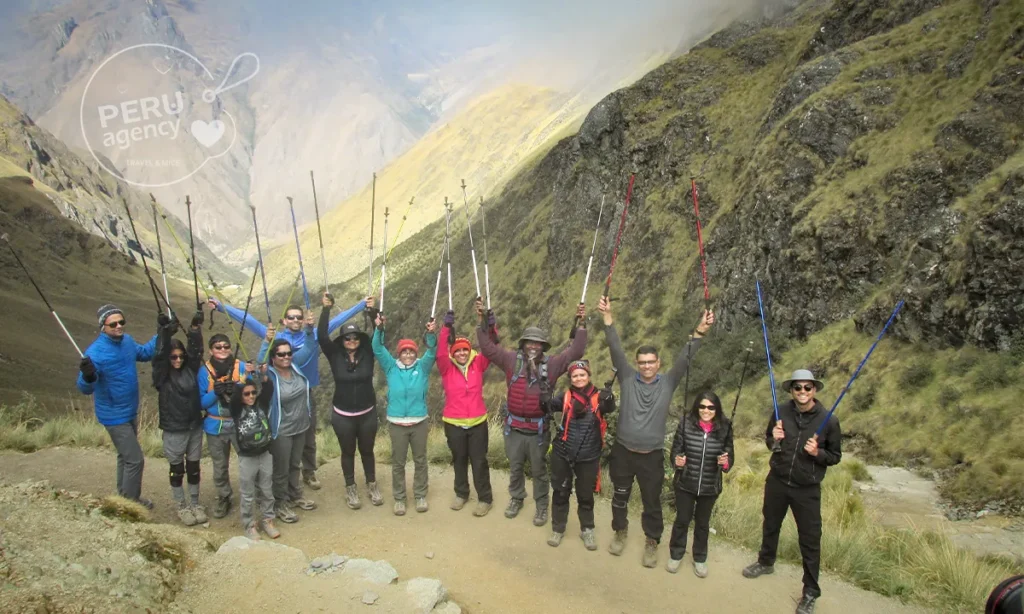
Would you love to walk along an ancient Inca trail but don’t have four days available for trekking? The 2-Day Inca Trail to Machu Picchu could be exactly what you are looking for.
This route offers a taste of the classic Inca Trail experience, combining a scenic train journey, archaeological remains, beautiful mountain vegetation, and a rewarding arrival at Machu Picchu.
And here is an important detail: although the tour takes two days, the main hiking experience takes place on one day. The itinerary also includes the train journey, an overnight stay in Aguas Calientes, and a visit to Machu Picchu.
What happens during the 2-Day Inca Trail?
Day 1: Train journey and hiking along the Inca Trail
The day usually begins with an early train journey from Ollantaytambo toward the trail’s starting point at Kilometer 104.
From there, you begin walking with your guide along an ancient Inca route. The hike includes archaeological sites, stone pathways, lush vegetation, and sections of uphill walking. One of the main highlights is Wiñay Wayna, an impressive Inca archaeological complex surrounded by the green slopes of the cloud forest.
The route continues toward the Sun Gate, known as Inti Punku, where the landscape may reveal your first memorable views of Machu Picchu, depending on the weather and trail conditions.
After the hike, you descend according to the itinerary and continue to Aguas Calientes for an overnight stay.
Day 2: Explore Machu Picchu
After breakfast, you head to Machu Picchu for your scheduled visit. With a guide, you can discover the site’s terraces, stone structures, ceremonial areas, and the history of the Inca civilization.
The visit follows the circuit and entry time confirmed with your ticket. After exploring the archaeological site, you return to Aguas Calientes and take the train back toward the Sacred Valley or Cusco, according to your arrangements.
Is the 2-Day Inca Trail right for you?
The short Inca Trail is a wonderful option if you enjoy walking, nature, and history but prefer not to commit to a multi-day trek.
Keep in mind that the hiking day includes uphill sections, stone steps, and uneven terrain. A reasonable level of fitness, comfortable hiking shoes, and time to acclimatize to the altitude in Cusco are important.
Although this route is shorter than the Classic Inca Trail, it is not an effortless walk. If you have knee problems, mobility limitations, or concerns about your fitness, discuss them with your tour operator before booking.
Best for: Travelers who want to experience the Inca Trail and arrive at Machu Picchu on foot, with just one main day of hiking.
Important: The Inca Trail requires an authorized operator and advance permits. Availability is limited, so it is best to organize this experience early.
3. The Classic Inca Trail: A Journey Through History
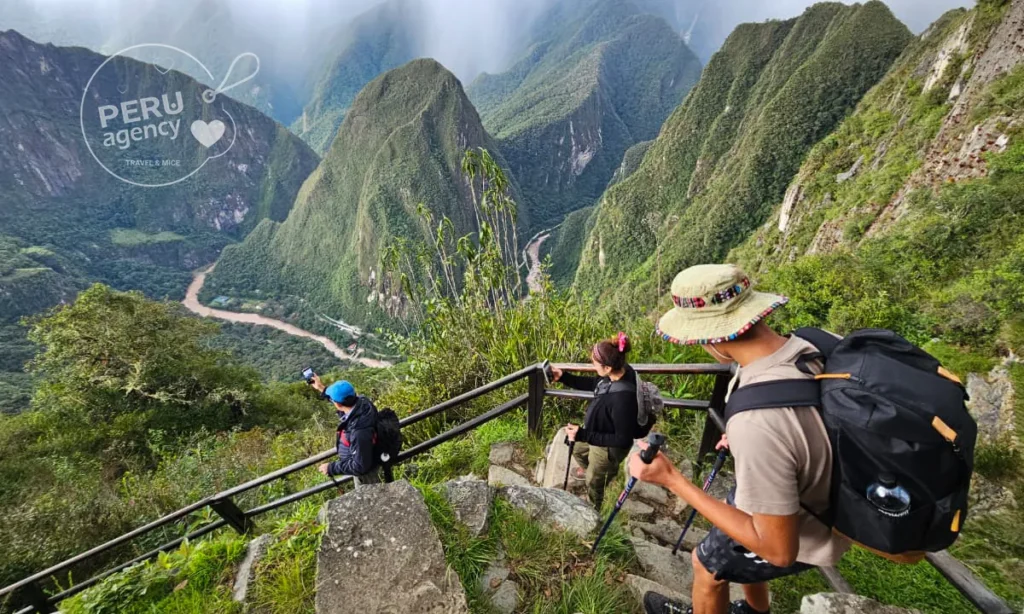
For travelers who love hiking and want to immerse themselves in the Andean landscape, the Classic Inca Trail is one of Peru’s most rewarding adventures.
Usually completed in four days and three nights, this trek follows ancient stone paths through mountain scenery, cloud forest, and archaeological sites that reveal the remarkable engineering of the Inca civilization.
The experience is not only about reaching Machu Picchu. It is about the journey itself: walking through landscapes that change with the altitude, discovering ancient settlements, and sharing the trail with fellow hikers.
What should you know before booking?
- Duration: Usually four days and three nights.
- Difficulty: Moderate to challenging, depending on your fitness and the itinerary.
- Highlights: Ancient Inca pathways, archaeological sites, mountain passes, and the approach to Machu Picchu through the Sun Gate, according to the itinerary and applicable access rules.
- Physical preparation: Regular walking and cardiovascular exercise before your trip can make a meaningful difference.
- Permits: You must book through an authorized operator and secure the required permit in advance.
The Classic Inca Trail includes significant uphill and downhill walking, high-altitude sections, and long days on your feet. It is worth being realistic about your fitness and allowing time to acclimatize in Cusco before beginning.
If you have the time and enjoy active travel, this can be an extraordinary way to connect with the history and natural beauty of the Andes.
Best for: Hikers who want a multi-day adventure and a deeper experience of the historic route to Machu Picchu.
4. The Salkantay Trek: Dramatic Mountains and Changing Landscapes
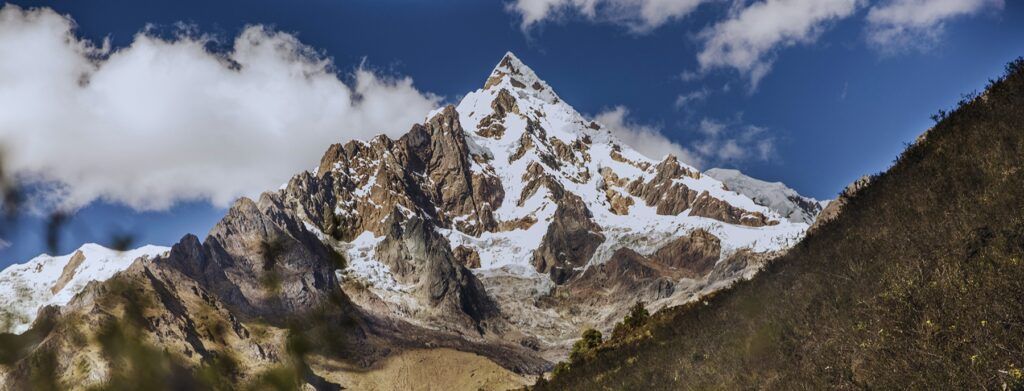
If you love wide-open mountain landscapes, the Salkantay Trek offers a very different kind of adventure.
This route takes you through some of the most dramatic scenery in the Cusco region, with high mountain passes, glacial peaks, turquoise lakes on some itineraries, and a gradual transition toward warmer, greener landscapes.
Unlike the Inca Trail, the Salkantay Trek does not follow the same historic trail to Machu Picchu. Instead, it approaches the destination through a different route, with the final connection and arrival arrangements depending on the itinerary you choose.
What should you know?
- Duration: Commonly four to five days.
- Difficulty: Challenging on many itineraries, particularly at high altitude.
- Highlights: Mountain scenery, diverse ecosystems, outdoor adventure, and the opportunity to experience a quieter side of the Andes.
- Preparation: Good physical fitness, appropriate clothing, and acclimatization are important.
The weather in the mountains can change quickly, and high-altitude conditions can make the trek more demanding than it may look in photographs. A well-planned itinerary, an experienced guide, and suitable equipment all contribute to a safer and more enjoyable experience.
Best for: Travelers who love hiking, dramatic mountain scenery, and a more physically demanding adventure.
5. The Lares Trek: Andean Landscapes and Living Culture
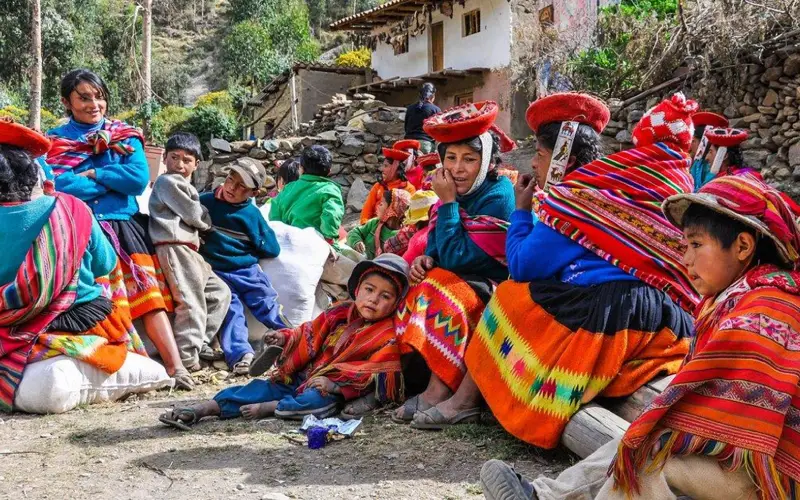
The Lares Trek offers another beautiful way to explore the Cusco region. Rather than focusing exclusively on archaeological sites, this trekking experience combines mountain landscapes with opportunities to learn about the living traditions of Andean communities.
Depending on your itinerary, you may pass high-altitude lakes, encounter llamas and alpacas, visit traditional villages, and discover the importance of weaving and other local traditions.
Some programs also include time at the Lares hot springs, a welcome opportunity to relax after a day outdoors.
The Lares Trek is often completed over several days, with a train journey to Aguas Calientes and a visit to Machu Picchu included in the overall itinerary.
Highlights of the Lares Trek
- Beautiful mountain scenery and high-altitude lakes.
- Opportunities to learn about traditional Andean textiles and ways of life.
- Encounters with llamas, alpacas, and local wildlife.
- Natural hot springs on itineraries that include Lares.
- A visit to Machu Picchu as part of the wider journey.
As with any high-altitude trek, the difficulty depends on the route, elevation, daily walking distance, and weather. It is important to choose an itinerary that matches your fitness and interests.
Best for: Travelers who want to combine hiking with cultural discovery and a closer appreciation of life in the Andes.
6. Comparing Your Options: Which Route Should You Choose?
There is no single best way to reach Machu Picchu. The right choice depends on how much time you have, how much you enjoy walking, and the kind of experience you want to remember.
| Travel option | Typical duration | Physical effort | Best for |
| Train via Ollantaytambo | Around 1.45 hours on the train, plus transfers and the visit | Low to moderate | Comfort, scenery, and convenience |
| 2-Day Inca Trail | Two days, including one main hiking day | Moderate to challenging | A shorter trekking experience with an Inca Trail arrival |
| Classic Inca Trail | Usually 4 days and 3 nights | Moderate to challenging | History, hiking, and a multi-day adventure |
| Salkantay Trek | Usually 4–5 days | Challenging on many itineraries | Dramatic mountains and outdoor adventure |
| Lares Trek | Commonly 3–4 days, depending on the program | Moderate to challenging | Andean landscapes and cultural experiences |
These durations are general guidelines. Actual itineraries, walking times, and difficulty vary according to the route and operator.
If you prefer to avoid long hikes, the train is a wonderful option. If walking through ancient landscapes is part of your dream, the 2-Day Inca Trail may be a good compromise. And if you have more time and want a bigger outdoor adventure, the Classic Inca Trail, Salkantay, or Lares Trek may be worth considering.
7. Where Should You Stay Before Visiting Machu Picchu?
Your overnight arrangements can make a real difference to how relaxed your visit feels.
Aguas Calientes: Stay Close to Machu Picchu
Aguas Calientes, officially known as Machu Picchu Pueblo, is the town at the foot of the archaeological site. It offers a wide range of accommodation, from simple guesthouses to comfortable hotels.
Staying overnight is a good idea if you want to visit Machu Picchu the following morning without having to travel all the way from Cusco first.
The town also has restaurants, cafés, small shops, and riverside walks where you can unwind after your journey.
Ollantaytambo: Explore the Sacred Valley First
Ollantaytambo is a charming Andean town with Inca streets, traditional architecture, and an impressive archaeological complex.
Staying here before your train journey can be particularly convenient. You can explore the Sacred Valley at a comfortable pace, enjoy the local atmosphere, and avoid an unnecessarily early road transfer from Cusco on the morning of departure.
For many travelers, spending a night in the Sacred Valley and another in Aguas Calientes creates a much more enjoyable experience than trying to fit everything into one day.
8. Essential Tips for a Safe and Enjoyable Visit
Machu Picchu is a special place, and a little preparation can help you enjoy it to the fullest. Here are the recommendations I would share with a friend planning their first visit to Peru.
Book Your Machu Picchu Visit in Advance
Machu Picchu is one of Peru’s most sought-after attractions, and entrance tickets are limited. To avoid disappointment, we strongly recommend booking your visit in advance with us.
We can help you secure your entrance tickets, select the appropriate circuit, and coordinate your train tickets and transportation according to your itinerary and availability.
Arrange your train tickets and transfers together
Check the departure station, train schedule, luggage rules, and connections before booking. Remember that a train departing from Ollantaytambo requires a road transfer from Cusco or another location in the Sacred Valley.
Allow enough time between services. A carefully planned connection is much better than rushing to catch a train.
Give yourself time to acclimatize
Cusco is at a high altitude, and some trekking routes reach considerably higher elevations. Spend time acclimatizing before demanding physical activities, stay hydrated, eat regularly, and take the first few days at a comfortable pace.
If you develop severe or worsening symptoms at altitude, seek medical assistance rather than trying to push through them.
Choose a reputable tour operator
If you book a trek, make sure your operator is authorized for the route and that the itinerary clearly explains what is included.
Ask about guide arrangements, transport, meals, accommodation, emergency procedures, and any equipment you may need. For the Inca Trail, confirm that the necessary permits have been secured for your travel dates.
Pack for changing weather
The weather in the Andes can be unpredictable. Bring comfortable walking shoes, layers of clothing, sun protection, and a light waterproof jacket. For trekking, follow your operator’s packing advice and carry only what is appropriate for the route.
A small daypack is useful for water, snacks, personal essentials, and anything you need during the visit.
Respect the site and follow your guide’s instructions
Machu Picchu is a protected archaeological site. Stay on the authorized routes, follow site regulations, and avoid touching or climbing on structures where this is prohibited.
Respecting the site helps protect it for future generations and allows everyone to enjoy the experience.
Consider travel insurance
Travel insurance that covers your planned activities can provide valuable peace of mind. If you intend to trek at high altitude, check that your policy specifically covers trekking and the elevations involved.
Plan your return journey carefully
If you have a flight from Cusco, avoid making your entire itinerary depend on a tight connection after visiting Machu Picchu. Train schedules and road conditions can change, so leaving a reasonable buffer is a sensible precaution.
9. Can You Visit Machu Picchu in One Day from Cusco?
Yes, a day trip is possible with suitable train schedules, transfers, and an available entrance ticket. However, it makes for a long day, with an early departure and several transport connections.
If you are short on time, it may be the right solution. But if your schedule allows, I would encourage you to spend at least one night in the Sacred Valley or Aguas Calientes.
That extra time gives you room to enjoy the journey, rest properly, and experience Machu Picchu without feeling that you are racing against the clock.
If you are considering the 2-Day Inca Trail, remember that it is a different experience from a simple day trip: you will have one main hiking day, an overnight stay in Aguas Calientes, and a separate visit to the archaeological site.
10. Let Us Help You Plan Your Machu Picchu Journey
At Peru Agency, we have been creating tailor-made travel experiences since 2005. Based in Cusco, we know these landscapes, understand the logistics involved, and believe that a well-planned journey should feel exciting from the beginning—not stressful.
We can help you compare the train journey with the different trekking options, coordinate your transport and accommodation, and organize the services around your interests, travel dates, and preferred pace.
Whether you dream of a comfortable train journey, the 2-Day Inca Trail, the Classic Inca Trail, or a longer adventure through the Andes, the important thing is choosing an experience that feels right for you.
You can explore our Peru travel programs and discover the possibilities for your trip.
So, How Will You Get to Machu Picchu?
There is something wonderful about every route to Machu Picchu.
The train allows you to sit back and watch the Andean landscape unfold. The short Inca Trail gives you a day of walking along ancient paths before reaching one of the world’s most remarkable archaeological sites. Longer treks invite you to slow down, challenge yourself, and discover the mountains more deeply.
Whatever you choose, take the time to plan well, listen to your body, and enjoy the journey as much as the destination.
Peru has so much to share, and Machu Picchu is just one part of its magic.
Ready to start planning? Explore our Machu Picchu and Peru tours or contact PeruAgency to create a journey tailored to you.
We would love to help you discover this beautiful part of our country.