


Local Markets in Peru: Flavors & Traditions
Discover Peru through its traditional markets, ancestral flavors, and culinary experiences that connect the culture, history, and everyday life of its communities.
Peru: A Destination to Discover with All Five Senses
Traveling through Peru is about much more than visiting impressive archaeological sites and breathtaking natural landscapes. It is also about immersing yourself in a world of aromas, colors, and flavors that tell stories passed down through generations.
From the traditional markets of the Andes to the tropical fruit stalls of the Amazon and the seafood specialties of the Pacific coast, Peruvian gastronomy reflects the country’s extraordinary cultural and geographical diversity.
The Flavors and Local Markets Route invites travelers to discover Peru from an authentic perspective: engaging with local producers, exploring native ingredients, tasting traditional recipes, and sharing meaningful moments with communities that keep their culinary traditions alive.
Cusco: Andean Flavors and Ancestral Traditions
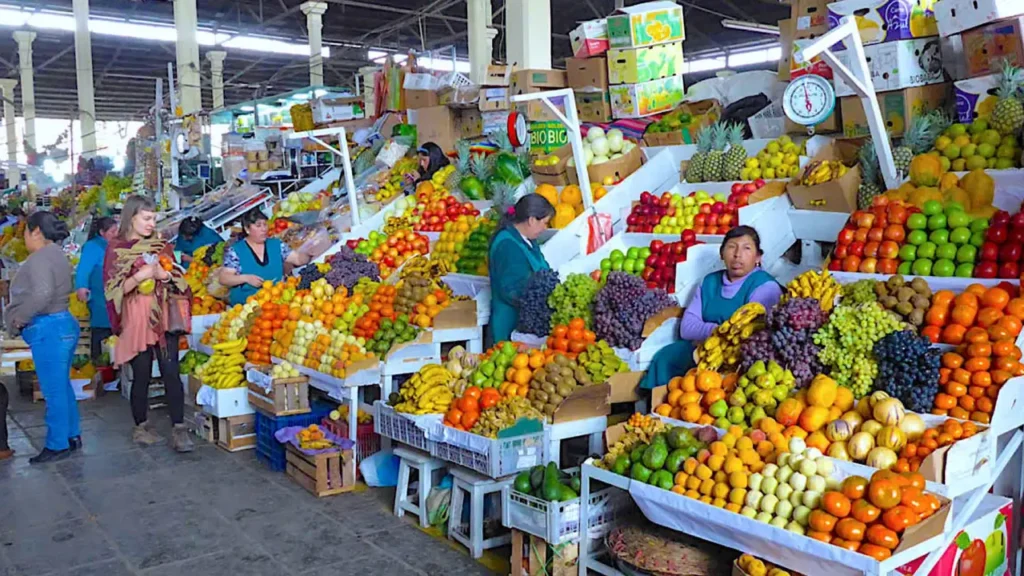
The journey begins in Cusco, a city where Inca heritage and colonial traditions coexist in every street, kitchen, and market.
San Pedro Market is a must-visit destination for anyone wishing to experience the daily life of Cusco’s residents. Its colorful stalls offer fruits from different regions, native potato varieties, Andean corn, medicinal herbs, artisanal cheeses, and fresh produce from nearby communities.
During the visit, travelers can enjoy freshly made juices, sample traditional dishes, and discover the essential ingredients of Andean cuisine.
For a closer look at the city’s history, culture, and living traditions, our Cusco Travel Guide offers inspiration for exploring beyond the market stalls.
Lima: Gastronomic Capital and Cultural Crossroads
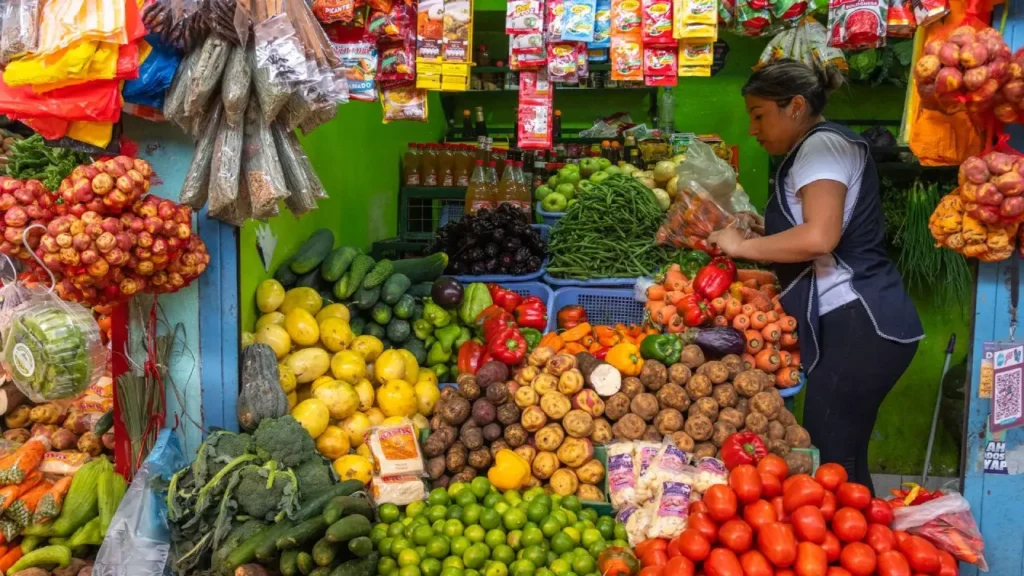
Lima is an essential stop for understanding the diversity of Peruvian cuisine. Its gastronomy brings together Indigenous, Spanish, African, Chinese, and Japanese influences, creating one of the most renowned culinary traditions in Latin America.
Lima’s markets are ideal places to discover fresh fish and seafood, chili peppers, fruits, tubers, and a wide variety of ingredients used in traditional cooking.
Among the city’s most representative dishes are ceviche, causa limeña, ají de gallina, and anticuchos.
A culinary tour can include a visit to a local market, a tasting of Peruvian fruits, and a stop at a traditional cevichería specializing in ceviche.
If food is one of the highlights of your journey, our guide to traditional Peruvian dishes and regional flavors introduces more of the ingredients and recipes that shape the country’s culinary identity.
The Peruvian Amazon: Exotic Fruits and Flavors of the Rainforest
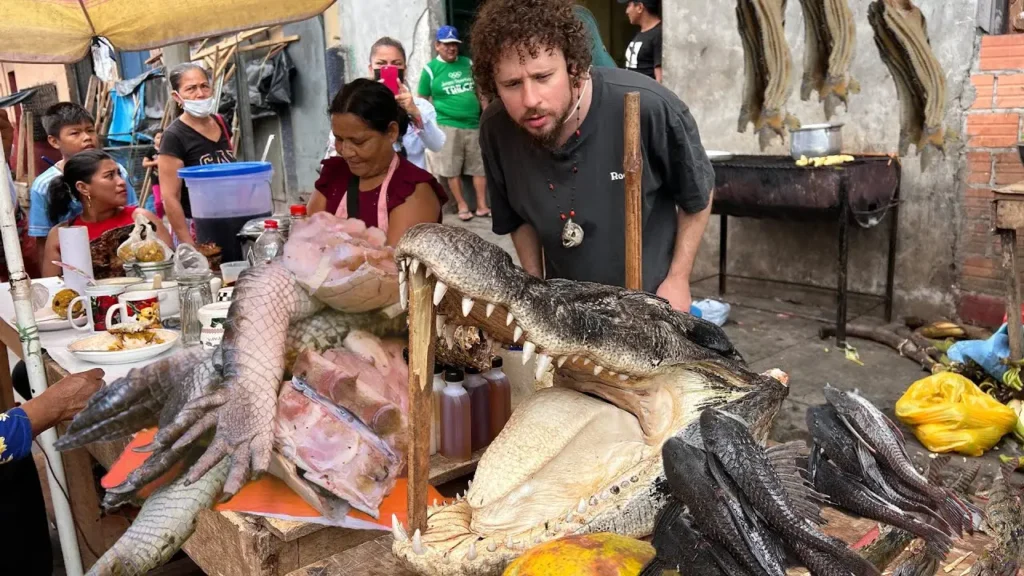
To complete the route, the Peruvian Amazon offers a completely different gastronomic experience.
In cities such as Iquitos and Tarapoto, markets showcase an extraordinary diversity of fruits, river fish, roots, herbs, and Amazonian products.
Camu camu, cocona, aguaje, and other regional fruits surprise visitors with their distinctive aromas, colors, and flavors.
Amazonian cuisine uses ingredients native to tropical ecosystems and traditional techniques that reflect the relationship between local communities and their natural surroundings.
For travelers curious about this extraordinary region, our Amazon Peru Travel Guide offers more ideas for experiencing its landscapes, wildlife, and local culture.
More Than a Market Visit: The People Behind Peru’s Flavors
What makes Peru’s traditional markets memorable is not only the variety of ingredients, but also the people who bring them to life.
Behind every stall is a story: a farmer who arrives with produce from the Andes, a family preserving a recipe passed down through generations, or a vendor who knows exactly which ingredients bring out the best flavors in a traditional dish.
For travelers, these encounters can turn a simple market visit into a meaningful cultural experience.
There is something special about tasting a fruit you have never seen before, watching a familiar ingredient prepared in a completely different way, or learning why a certain dish holds such an important place in local celebrations.
From Cusco’s Andean markets to Lima’s culinary neighborhoods and the colorful stalls of the Amazon, each destination offers a different perspective on Peru’s gastronomic heritage.
And perhaps that is the real beauty of traveling through Peru’s flavors: the opportunity to appreciate not just what is served on the table, but the traditions, landscapes, and people behind every ingredient.
For those who want to take that experience further, our Cusco Food Tour and Andean Culinary Experience brings together local culture, traditional Andean food, and a visit to Machu Picchu.