


Peruvian Corn: Giant White Corn, Purple Corn & Traditions
In Peru, corn is much more than just food. It is a symbol of identity, a heritage from ancient civilizations, and one of the fundamental ingredients of the national gastronomy.
Since ancient times, this cereal has accompanied the lives of Andean communities, forming part of their diet, celebrations, and agricultural practices. Its cultivation developed over generations, adapting to the different climates, altitudes, and ecosystems of the Peruvian territory.
Today, corn continues to hold a special place in the country’s culture. It can be found in traditional markets, family farms, rural kitchens, and at tables where recipes passed down from generation to generation are shared.
From the giant white corn of Cusco to the purple corn used in traditional drinks and desserts, each variety reveals a part of Peru’s extraordinary agricultural and gastronomic diversity.
The Giant White Corn of Cusco: A Pride of the Sacred Valley
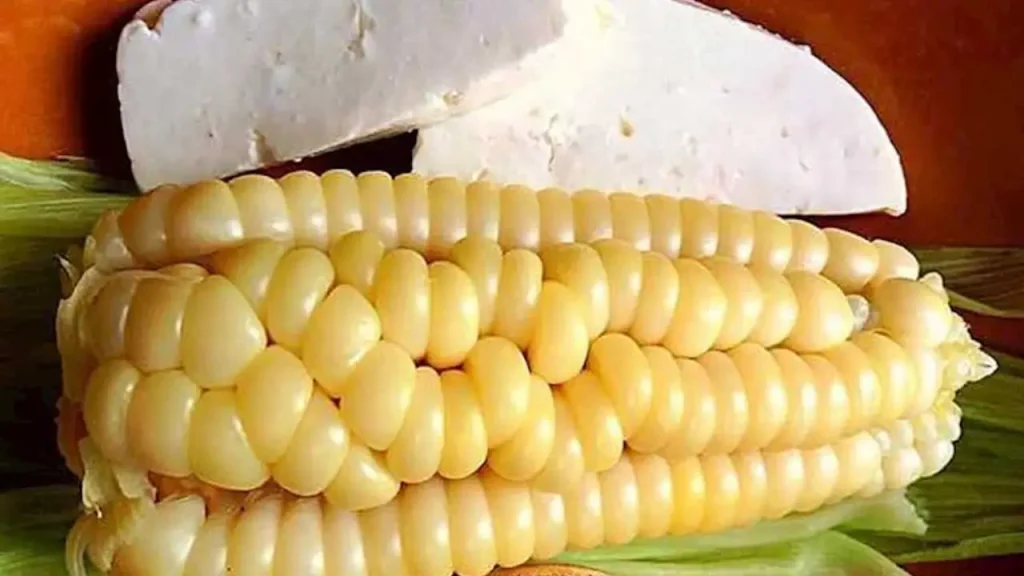
One of Peru’s most emblematic agricultural products is the giant white corn of Cusco, recognized for the large size of its kernels and its soft texture.
Cultivated mainly in the Sacred Valley of the Incas, especially in areas like Urubamba, this corn grows in fertile lands and under particular climatic conditions that favor its distinctive characteristics.
Its exceptional size and delicate flavor make it a highly prized ingredient in both traditional cuisine and contemporary gastronomy.
Among the most popular ways to enjoy it are the traditional choclo con queso (corn with cheese), a simple combination that highlights the natural flavor of the corn, and boiled corn (choclo sancochado), which usually accompanies various Peruvian dishes.
During a visit to the Sacred Valley, travelers can discover the cultivated fields, learn about local agricultural practices, and observe how this product is part of the daily life of the communities.
Giant corn not only represents a gastronomic wealth; it also symbolizes the agricultural knowledge that Andean families have preserved over time.
In the Cusco Travel Guide, you can learn more about the agricultural traditions, local communities, and cultural heritage that continue to shape life in this remarkable Andean region.
Purple Corn: Color, Tradition, and Peruvian Flavor
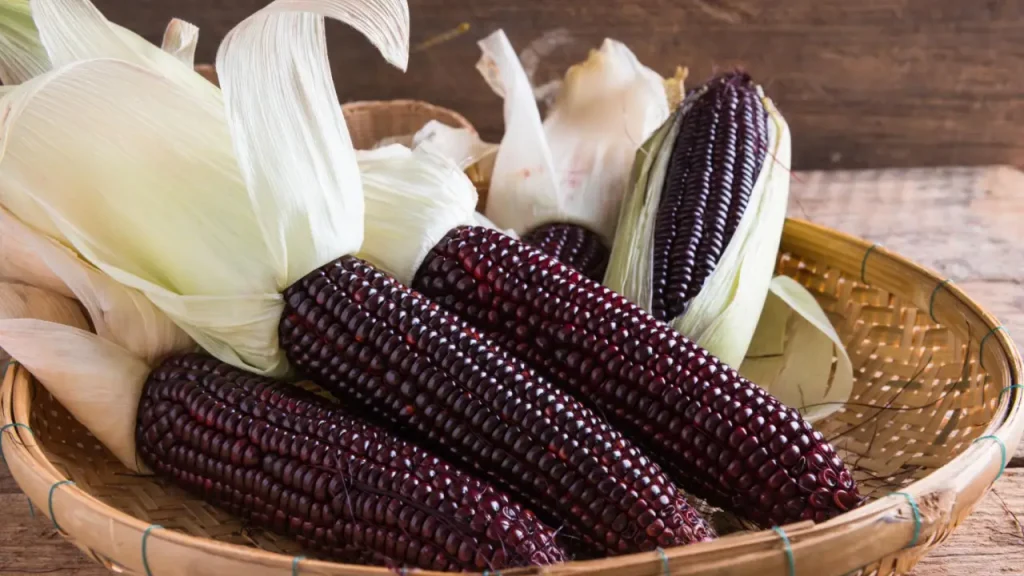
Purple corn is another of the most recognized varieties in Peruvian gastronomy. Its kernels and cobs display intense violet and purple tones due to the presence of anthocyanins, natural pigments with antioxidant properties.
This ingredient stands out for its versatility and its role in some of the country’s most beloved preparations.
One of them is chicha morada, a traditional drink made by boiling purple corn with ingredients like pineapple, cinnamon, and cloves. It is generally served cold and is very popular in homes, markets, and restaurants.
Another emblematic preparation is mazamorra morada, a thick and aromatic dessert usually prepared with fruits, spices, and sweet potato flour to achieve its characteristic consistency.
Beyond its flavor and color, purple corn represents the creativity of Peruvian cuisine, capable of transforming an agricultural ingredient into drinks and desserts that form part of the country’s collective memory.
These preparations are just a small part of Peru’s rich culinary heritage. Our guide to traditional food in Peru and its regional flavors offers a closer look at the dishes, ingredients, and food traditions that make the country such a fascinating destination for food lovers.
Corn and the Living Traditions of the Andes
The story of Peruvian corn does not end in the kitchen. In the Andes, agriculture remains closely connected to the seasons, the landscape, and the knowledge shared within families and communities.
Cornfields are part of the scenery of the Sacred Valley, but they also represent generations of experience. Choosing the right time to plant, understanding the soil, and caring for crops are practices that connect today’s farmers with a long agricultural history.
For travelers, learning about these traditions adds another dimension to a visit. A simple walk through a rural community, a conversation with a local farmer, or a traditional meal prepared with regional ingredients can reveal the importance of corn in everyday Andean life.
These encounters remind us that food has a story long before it reaches the table.
The Flavors of Peru Begin with Its People
Perhaps the most interesting thing about Peruvian corn is not only its remarkable variety, but also the people who continue to cultivate it, prepare it, and share it.
A freshly cooked choclo con queso, a glass of chicha morada on a warm afternoon, or a traditional dessert enjoyed with family can become a simple yet memorable introduction to Peru’s food culture.
Each preparation reflects something different: the richness of the land, the creativity of local kitchens, and the traditions that remain part of daily life.
And for those who wish to go beyond tasting the food, Peru offers opportunities to connect with the communities behind these traditions.
Our Sustainable Tourism in Amaru Community experience invites travelers to learn about Andean life through cultural activities, traditional agricultural knowledge, textile practices, and a meal prepared with local ingredients.
Because in Peru, corn is more than an ingredient. It is part of the landscape, part of the culture, and part of the stories that continue to be shared from one generation to the next.