


Is 10 Days in Peru Enough? What to Prioritise on Your First Trip
Picture this: you are standing among ancient Inca walls at Machu Picchu, mist lifting off the green peaks, and you are not rushing to catch anything. That is what 10 days in Peru can give you when you plan them well.
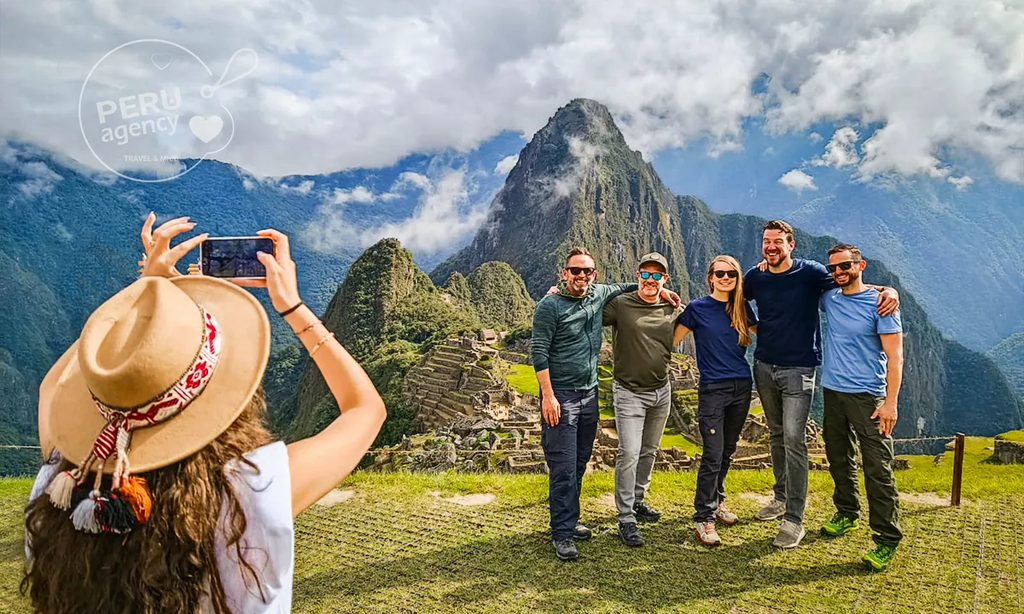
So, is 10 days enough? Yes, for a first visit it is. It will not show you all of Peru, though. This country fits a desert coast, the high Andes and the Amazon rainforest on one map, and trying to see all three in a week and a half means more time in transfers than in wonder.
The secret is simple: one base plus one or two extras. Here is how to build the trip you will actually enjoy.
Why does this work? Because a good trip is not measured in places ticked off a list. It is measured in how much you remember. Ten days gives you time to adapt to the altitude, to linger over a meal in Lima, to stand in front of Machu Picchu without watching the clock and to get back on your flight feeling rested rather than exhausted.
If you are planning your first visit, this guide will help you decide what to include, what to leave for next time and in which order to do it all.
Start With the Heart of Peru: Cusco, the Sacred Valley and Machu Picchu (4 to 5 days)
This is the part of the trip you will talk about for years, so give it the most time. Cusco, the old Inca capital, sits at 3,399 m, so take your first day slowly: a gentle walk, plenty of water and an early night.
Cusco rewards slow wandering. Start in the Plaza de Armas, then climb the cobbled lanes of San Blas, where artisans’ workshops and small cafés tuck into whitewashed corners. Visit Qorikancha, the former Temple of the Sun, whose precise stonework still supports a Spanish church, and head up to Sacsayhuamán, the great hilltop fortress that looks over the city. If you enjoy local life, the San Pedro market is a lively place to try fresh juices, tropical fruit and a cup of coca tea, the traditional Andean remedy for the altitude.
Then the Sacred Valley opens up, with Pisac, Ollantaytambo and the salt ponds of Maras and the circular terraces of Moray. And Machu Picchu? At 2,430 m it is lower than Cusco, so many travellers find it easier on the body than they expected.
The Sacred Valley is also where the story of the Incas becomes easier to read. Pisac is known for its terraced hillside and its market, while Ollantaytambo is both an imposing fortress and one of the few places where you can still walk through original Inca streets. It is the perfect last stop before the train to Machu Picchu.
When you finally enter the citadel, take your time. A guided visit of around two to three hours helps you understand the terraces, the Temple of the Sun and the Intihuatana stone, and it turns a beautiful view into a story. Arrive early if you can, because the morning light and the quieter paths make a real difference.
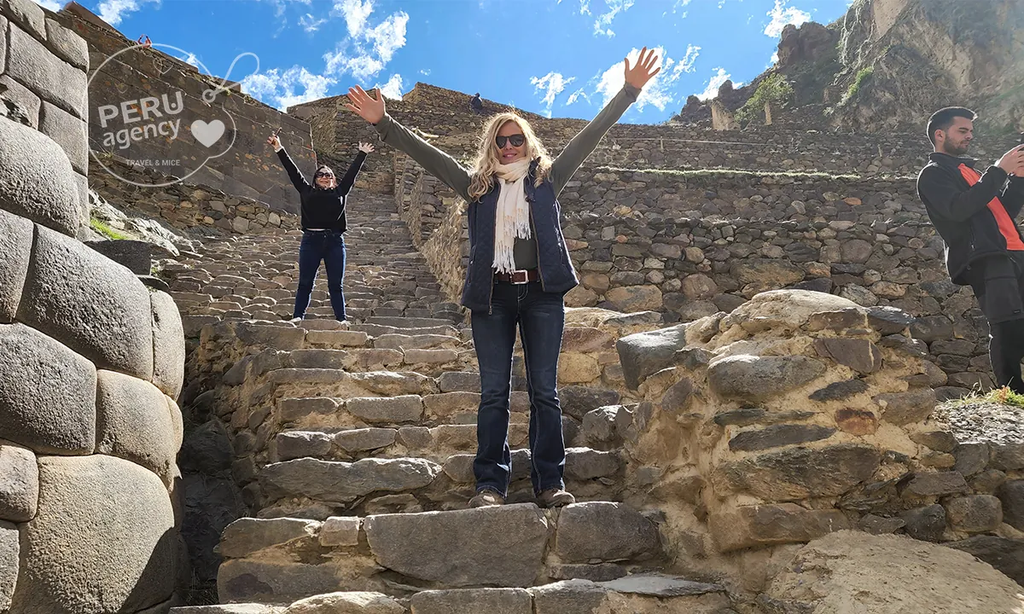
Our tip: book your tickets early, because they are limited and set your circuit and time slot. And spend a night in Aguas Calientes, at the foot of the citadel, instead of squeezing Machu Picchu into one very long day. Not sure how to get there? Read our guide on how to get to Machu Picchu from Cusco or explore our Machu Picchu tours.
Add Lima for Food and History (2 to 3 days)
You will land in Lima anyway, so make it part of the story. Wander the historic centre, step down into the San Francisco catacombs, watch the sun set over the Pacific in Miraflores and save room for a long lunch. Lima is one of the best places to taste Peru, and our guide to traditional food in Peru will help you order like a local.
Do not leave Lima at the airport. Spend an afternoon in Barranco, the bohemian seaside district of street art and small galleries, and visit the Larco Museum for a look at thousands of years of pre-Columbian art. At the table, try the classics: fresh ceviche, a perfectly cooked lomo saltado and, of course, a pisco sour. Peruvian cooking is one of the great pleasures of the trip, and Lima is where it shines brightest.
Choose One or Two Extras
Most first trips go wrong by squeezing in three or four extras. Pick the one or two that suit you:
- Paracas, the Ballestas Islands and Huacachina (1 day from Lima). Spot sea lions and Humboldt penguins from a speedboat, then ride a dune buggy and try sandboarding in the desert. Perfect if you love wildlife and a bit of adrenaline.
- Rainbow Mountain, Vinicunca (1 day from Cusco). An early start and a hike of about 2.5 hours uphill reward you with one of the most colourful landscapes in the Andes.
- The Inca Trail, short or classic (2 to 4 days). Walk an ancient Inca path all the way to Machu Picchu. See our Inca Trail tours.
How do you choose? Think about what you enjoy most. If you love wildlife and a lighter pace, the south coast is a great fit. If you are happy to wake up early and walk at altitude for a big mountain view, Rainbow Mountain will make your day. And if hiking is the reason you are coming to Peru, the Inca Trail is a trip in itself. There is no wrong answer, as long as you leave some room to breathe.
The Amazon and Lake Titicaca are wonderful, but they deserve 12 to 14 days. If they are on your list, see how to combine Machu Picchu and the Amazon or look at our 12 day Peru tour. The same goes for the Nazca Lines, the Colca Canyon and northern Peru: they need extra flights, so keep them for your second trip. And one more thing: if you choose the Inca Trail, skip Rainbow Mountain. Your legs will thank you.
The Best Order for Your 10 Days
Order matters as much as the list. Start at sea level, climb gradually to Cusco, visit Machu Picchu and save the highest day for last, when your body has adapted. Our 10 day trip to Peru follows that order and adds two extras, the south coast and Rainbow Mountain:
- Days 1 to 3: Lima, Paracas, Ica and Huacachina, all at low altitude.
- Days 4 to 5: Cusco, to adapt to 3,399 m.
- Days 6 to 7: the Sacred Valley and Machu Picchu.
- Day 8: Maras and Moray, an easier day.
- Day 9: Rainbow Mountain, near 5,000 m, after four nights in Cusco.
- Day 10: back to Lima and your international flight.
Why does this order work so well? You begin at sea level, when you are fresh and your body does not have to work hard. By the time you reach Cusco you are ready for the altitude, and by the time you reach Rainbow Mountain, the highest point of the trip, you have had several days to adapt. Placing Maras and Moray on Day 8 also gives your legs an easier day before the big hike. Nothing is rushed, and the hardest day comes when you are best prepared for it.
Let us look at how that feels on the ground. The first days on the coast are gentle: Lima gives you a soft landing, and the road south leads to the Paracas coast and the Ballestas Islands, where sea lions and seabirds crowd the rocks, and to the dunes of Huacachina, a desert oasis that feels like another planet. Then you fly up to Cusco and give yourself time to adjust before the big days begin.
The Sacred Valley and Machu Picchu come next, when you are rested and curious. Day 8 is deliberately calmer, with the salt ponds of Maras and the circular terraces of Moray, a lovely mix of landscape and Inca ingenuity. And Day 9 is for Rainbow Mountain, an early start and a big reward. It is a demanding day, which is exactly why it comes late.
The programme includes private transfers, a private guide at Machu Picchu and the Expedition train, so you can spend your energy on the views and leave the logistics to us.
When to Go and How to Travel Smart
The dry season, from May to September, brings clear skies and cold Andean nights. From November to March it rains more, and April and October are the shoulder months. Book Machu Picchu and the trains early for July and August, and remember that the Inca Trail closes in February.
- Do not stack hard days. Follow a big hike with a rest day.
- Pack light for the train. Hand luggage (carry-on) is capped at 5 kg, so leave your main bag in Cusco.
- Respect the altitude. Drink water, eat lightly and ask your doctor if you have a health condition. Travel insurance that covers altitude is a smart idea.
A few small things make a big difference. Pack layers, because mornings are cold and afternoons can be warm, and bring a rain jacket, a hat, sunscreen and comfortable walking shoes. The sun is strong at altitude, even on cloudy days. It also helps to carry some Peruvian soles in small notes for markets, snacks and tips.
For more ideas, see our Peru travel tips.
Common Mistakes to Avoid
After years of planning trips to Peru, the same few mistakes appear again and again. The good news is that they are easy to avoid.
- Trying to see everything. Peru is huge. Choose a few places and enjoy them properly.
- Flying straight into the high points. Give your body a few days to adapt before the big hikes.
- Leaving Machu Picchu to the last minute. Tickets and trains sell out, especially in the dry season.
- Overpacking. Space is tight on the train and you will be glad of a light bag.
- Having no rest day. A calm day in the middle of the trip keeps you energised for the rest.
More Peru Agency Tours to Inspire Your Trip
Every traveller has different dates and a different rhythm. If your plans are not exactly 10 days, browse all our Peru tours or start with one of these:
- Peru Classic: Lima, Cusco and Machu Picchu in 7 days. A shorter route with the essentials.
- 8 days of adventure in Peru. Lima, Huacachina, Vinicunca and Machu Picchu for active travellers.
- Sacred Valley to Machu Picchu, private 4 days. A perfect add-on if you are already in Cusco.
- Machu Picchu Express, 4 days with the Huayna Picchu hike. For those who want a big mountain day at the citadel.
Ready to build your 10 days in Peru? Contact Peru Agency and we will design a route around your dates, your pace and your dreams.