


From the stone streets of Cusco to Ecuador’s volcanic highlands, a journey through Peru and Ecuador brings together some of South America’s most memorable landscapes. You can walk among the remains of the Inca world, pause in lively Andean markets, discover historic city centers and, if time allows, continue to the extraordinary wildlife of the Galápagos Islands.
The secret is not to rush. With a thoughtful route and enough time to enjoy each stop, these neighboring countries make a rewarding combination for travelers who love culture, nature and meaningful local experiences.
Why Combine Peru and Ecuador in One Trip?
Peru is known for Machu Picchu, the Sacred Valley and its remarkable mix of coastal, Andean and Amazonian cultures. Ecuador offers another perspective on the Andes: volcanic scenery, traditional markets, well-preserved historic towns and access to the Galápagos archipelago. Together, the two countries show just how varied this part of South America can be.
This journey works especially well for curious travelers, couples and small groups who want more than a quick stop at famous landmarks. It is also a good choice for returning visitors who already know one country and would like to explore the other.
How Many Days Do You Need for Peru and Ecuador?
For a first trip covering major highlights in both countries, consider roughly 14 to 18 days. You can travel in less time, but a shorter itinerary usually means choosing only a few destinations. If you want to add the Galápagos Islands, allow about 18 to 21 days or more for a more comfortable pace.
The suggested route below is an example, not a fixed package. Exact flight connections, admission availability and travel times should be checked for your travel dates.
Suggested 16-Day Peru and Ecuador Itinerary
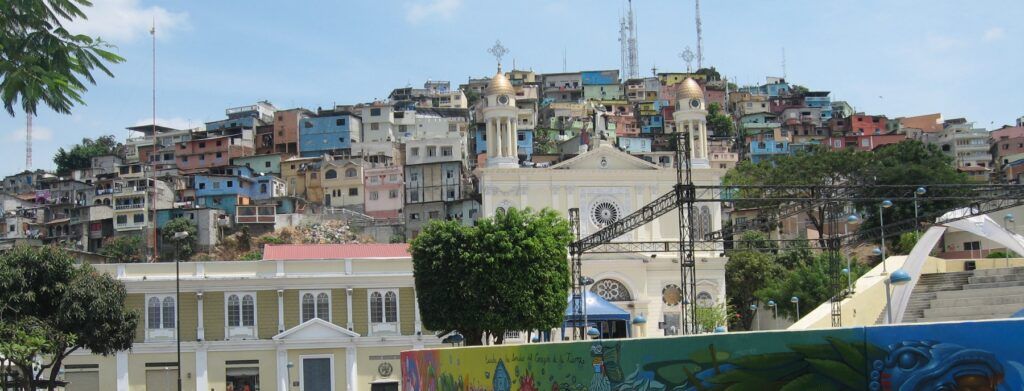


Days 1–2: Arrive in Lima and Explore the Coast
Begin in Lima, where historic neighborhoods, Pacific views and an exciting food scene provide an easy introduction to Peru. Spend time exploring the city rather than trying to fit too much into your first day. If local food interests you, try a traditional ceviche or visit a neighborhood market with a knowledgeable guide.
Days 3–5: Cusco and the Sacred Valley
Fly to the Cusco region and plan your first high-altitude days carefully. Some travelers prefer to spend their first night in the Sacred Valley, which sits lower than Cusco. Explore village markets, Inca terraces and beautiful mountain scenery before returning to Cusco for its blend of Andean and colonial history.
To plan the region in more detail, see our Cusco travel guide for local culture, practical orientation and ideas for your stay.
Day 6: Machu Picchu
Set aside a full day for Machu Picchu and its surroundings. Entrance tickets and train options should be arranged well ahead of time, especially during busier travel periods. A guided visit adds context to the site’s architecture, setting and historical importance.
For travelers who prefer an organized experience, our Machu Picchu full-day tour from Cusco is one option to explore, subject to its current itinerary and availability.
Day 7: A Slower Day in Cusco
After Machu Picchu, enjoy an unhurried day in Cusco. Visit a museum, stop for coffee, or explore artisan workshops. A little space in your schedule often turns a busy itinerary into a much better trip.
Day 8: Travel to Quito, Ecuador
Continue to Quito by an appropriate flight connection; direct service and schedules can change. Keep this as a travel day and avoid making ambitious plans immediately after arrival. Quito is also at high altitude, so take the first evening at an easy pace.
Days 9–10: Quito and the Equatorial Highlands
Wander through Quito’s historic center, known for its churches, plazas and mountain backdrop. Depending on your interests, you may visit the Middle of the World area or explore nearby Andean landscapes. Ecuador’s culture becomes especially vivid in its markets, small towns and local food traditions.
Days 11–13: Otavalo, Riobamba and Cuenca
For travelers who love the highlands, a route through Otavalo, the central Andes and Cuenca reveals a different side of Ecuador. Expect artisan traditions, changing scenery and a more relaxed rhythm in historic towns. Because road journeys can be long, choose stops based on the pace you enjoy instead of trying to see everything.
Peru Agency offers an 8-day Ecuador journey through Quito, Riobamba and Cuenca that can serve as inspiration for this part of your trip; its published itinerary is a separate tour, not an included segment of this suggested route.
Days 14–16: Finish in Ecuador or Add a Nature Escape
Use the final days to enjoy Cuenca more fully, return to Quito for your international flight, or include a nature-focused extension. The Galápagos Islands deserve dedicated time and usually work better as an additional multi-day stay rather than a rushed day trip.
Should You Add the Galápagos Islands?
If wildlife is one of your main reasons for traveling, the Galápagos can be the highlight of an Ecuador extension. Sea lions, marine iguanas, giant tortoises and many bird species make the islands unlike anywhere else. Activities depend on the island, season and itinerary, and responsible wildlife viewing is essential.
If you have extra time, consider the separate Ecuador & Galápagos in Your Hands — 7 Days experience. It is a useful option to compare when building a longer South America journey.
Best Time to Visit Peru and Ecuador
There is no single perfect month for every destination. The Andes of southern Peru generally experience a drier season around May to September, while Ecuador’s weather varies considerably by elevation and region. Even on a sunny day, mountain temperatures can change quickly. Coastal conditions, rainforest rainfall and the Galápagos climate follow different patterns.
For the Peru portion, start with our best time to visit Peru guide, then check Ecuador’s regional conditions before choosing your travel dates.
Practical Tips for Traveling Between Peru and Ecuador
Flights and Overland Travel
Flying between major cities is often the most practical way to combine a limited-time Peru itinerary with Ecuador. Overland travel can be rewarding if you have more time, but distances, connections and border procedures need additional planning. Avoid assuming there will be a direct flight or a seamless same-day transfer between any two stops.
Altitude and Acclimatization
Cusco, Quito and other Andean destinations are situated at high elevations. Keep arrival days light, stay hydrated and discuss any medical concerns with a qualified health professional before your trip. If symptoms become severe, seek medical help rather than continuing higher.
Read our practical altitude in Peru guide before organizing mountain excursions.
Entry Requirements and Travel Documents
Visa and entry rules depend on your nationality, travel document and itinerary. Check official immigration and airline requirements for both countries shortly before departure. If your route includes a land border, confirm the current crossing arrangements and opening hours as well.
What to Pack
Pack light layers for Andean cities, comfortable walking shoes, rain protection and sun protection. If your trip includes rainforest areas or the Galápagos, you may need additional clothing and activity-specific items. A small daypack helps for guided excursions and transfers.
Who Is This Journey Best For?
A Peru and Ecuador route is especially rewarding for travelers who want to connect iconic heritage sites with living Andean culture. History lovers will appreciate Cusco and Quito; photography enthusiasts will find dramatic landscapes; and nature-focused visitors can extend into Ecuador’s wildlife-rich regions. Families and travelers who prefer a slower pace should allow extra nights rather than adding more stops.
Frequently Asked Questions
Can I visit Peru and Ecuador in two weeks?
Yes, if you focus on a few key places in each country and plan flights carefully. For a more complete highlands route, 16 to 18 days is generally more comfortable.
Is Machu Picchu included in every Peru and Ecuador tour?
No. Machu Picchu is part of this suggested editorial itinerary, but inclusions depend on the specific tour you book. Review each package itinerary and its inclusions separately.
Do I need to visit the Galápagos to enjoy Ecuador?
Not at all. Quito, the Andean highlands and Cuenca offer a rich trip on their own. The Galápagos are an excellent optional extension if wildlife is a priority and your budget and time allow.
Which country should I visit first?
Either order can work. The best choice depends on international flight prices, seasonal interests, altitude adaptation and how many nights you want in each destination.
Is this itinerary suitable for families?
It can be adapted for families. Fewer overnight changes, private transfers where helpful and realistic walking days usually make the experience smoother.
Create a Peru and Ecuador Journey That Fits You
The most memorable trips leave room for the unexpected: a conversation at a market stall, an extra hour at a viewpoint, or a quiet evening in a city you did not expect to love. Peru and Ecuador offer plenty of those moments. Choose your priorities, leave enough time between regions and build an itinerary around the experiences that matter most to you.
Explore Peru Agency’s Ecuador tours or contact our team to discuss a tailor-made journey across both countries.