


Two weeks in Peru can take you from the Pacific coast to the Andes, through historic cities, lively markets, dramatic landscapes, and some of South America’s most remarkable archaeological sites. If you’re planning your first trip, 14 days gives you enough time to experience more than Machu Picchu without feeling that every day is spent in transit.
There isn’t just one perfect way to explore Peru. Some travelers dream of walking among Inca ruins and meeting Andean communities. Others want to see wildlife in the Amazon, sample Peruvian cuisine, or take their time in the Sacred Valley. This guide will help you build an itinerary that suits your interests, pace, and travel style.
Is 14 Days Enough to Visit Peru?
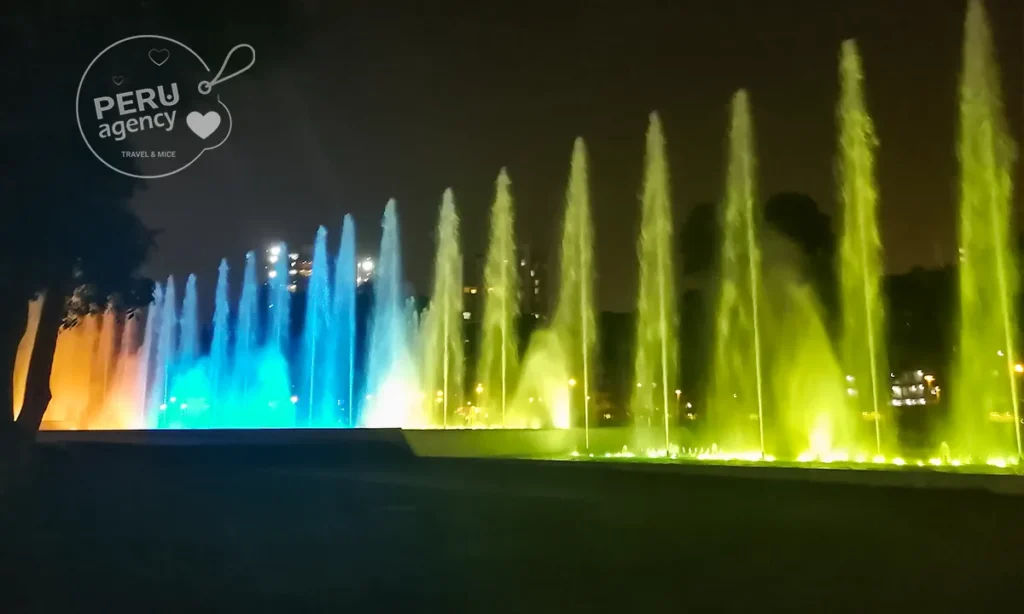


Yes — two weeks is a good amount of time for a first trip to Peru, provided you choose a sensible route. You can combine Lima, the southern coast, Arequipa, Lake Titicaca, Cusco, the Sacred Valley, and Machu Picchu. But Peru is a large country, and travel between regions takes time. Rather than trying to see everything, focus on the places that matter most to you.
If you have fewer days available, start with our 10 days in Peru itinerary. If you’re traveling with children or prefer a trip planned around comfort and shared experiences, explore our 14-day Peru family tour.
Suggested 14-Day Peru Itinerary
This is a suggested route, not a fixed package itinerary. The order of stops, transport, and activities can change according to flight schedules, weather, altitude adjustment, and your preferred travel pace.
Days 1–2: Discover Lima
Begin in Lima, where coastal scenery, historic architecture, creative neighborhoods, and wonderful food all come together. Take a stroll through Miraflores, enjoy the ocean views along the malecón, and spend time exploring Barranco’s art and cafés. The historic center gives you another side of the city, with impressive plazas and buildings that tell the story of Peru’s colonial past.
Don’t rush the food. Lima is a great introduction to dishes such as ceviche, causa, and lomo saltado. For a deeper look at what to try throughout your journey, read our guide to traditional food in Peru.
Days 3–4: Paracas and Huacachina
Head south along the coast to Paracas. Depending on sea conditions, you may be able to take a boat trip to the Ballestas Islands to observe marine wildlife. The surrounding desert landscape makes a striking contrast with Lima’s busy streets.
Continue to Huacachina, a small oasis surrounded by towering dunes. This is the place for desert scenery, memorable sunsets, and — if it appeals to you — a dune buggy or sandboarding excursion. Allow enough time for the transfer and check the day’s operating conditions before booking activities.
Our 3-day Huacachina, Nazca and Ballestas adventure offers another way to explore this part of Peru if you decide to adjust your schedule.
Days 5–6: Arequipa, the White City
Travel to Arequipa, a city framed by volcanoes and known for its beautiful architecture built from pale volcanic stone. Wander through the historic center, visit local markets, and try Arequipeño specialties such as rocoto relleno or adobo.
Arequipa also offers a chance to slow down before continuing into higher elevations. Its streets and plazas reward travelers who leave room in the day simply to explore. See our Arequipa destination guide for more ideas.
Day 7: Colca Canyon
The Colca area is known for its terraced valleys, traditional villages, and viewpoints where Andean condors may be seen when conditions are favorable. A visit is about more than the canyon itself: the drive reveals an extraordinary highland landscape.
Keep in mind that routes through the Colca region can involve high elevations and long transfers. If altitude is a concern, discuss the sequence of your journey with a local travel advisor before confirming plans.
Days 8–9: Lake Titicaca and Puno
Continue toward Puno and Lake Titicaca. A visit here can introduce you to lakeside traditions and communities whose daily lives are closely connected to the water. Depending on the experience you choose, you might visit the Uros floating islands or spend time learning about local textile traditions and island life.
Community visits should feel like respectful encounters, not performances arranged around visitors. Choose experiences that are locally guided and make space for genuine conversation. If you want to dedicate more time to the region, explore our 4-day Lake Titicaca tour and the Lake Titicaca travel guide.
Days 10–11: Cusco and the Sacred Valley
Cusco’s stone streets, historic sites, and bustling markets make it one of the most rewarding places to explore in Peru. But the region is much more than the city itself. The Sacred Valley is home to agricultural terraces, traditional communities, villages, and remarkable Inca sites.
By this stage, you may be better acclimatized, but everyone responds differently to altitude. Give yourself flexibility, drink water regularly, and avoid pushing through symptoms. Read our altitude in Peru guide while planning.
For destination inspiration, continue with our guides to Cusco and the Sacred Valley. Travelers interested in meaningful local encounters can also look into our Amaru community tourism experience.
Day 12: Machu Picchu
For many travelers, the first view of Machu Picchu is the moment they’ve been dreaming about. The citadel sits among steep green peaks and offers a fascinating introduction to Inca architecture and the natural setting in which it was built.
Reserve admission and suitable transport well in advance, particularly during busy travel periods. Tickets use designated circuits and entry times, and availability can affect how your day is arranged. Read more in our Machu Picchu and Inca Trail guide.
If you would rather hike into the area, the Short Inca Trail to Machu Picchu (2 days) is worth considering, although it requires adapting the schedule and arranging permits in advance.
Days 13–14: Return to Cusco and Depart
Leave the final part of your journey relatively open. Depending on your plans, you could spend extra time in the Sacred Valley, enjoy a final walk through Cusco, or browse for locally made textiles and crafts. Use the last day for your onward flight, allowing for realistic connections and possible transport delays.
A well-planned Peru trip should have space for experiences that aren’t on a checklist: a conversation at a market, an unexpected view, or a meal that stays with you long after you return home.
Can You Include the Amazon in a 14-Day Peru Trip?
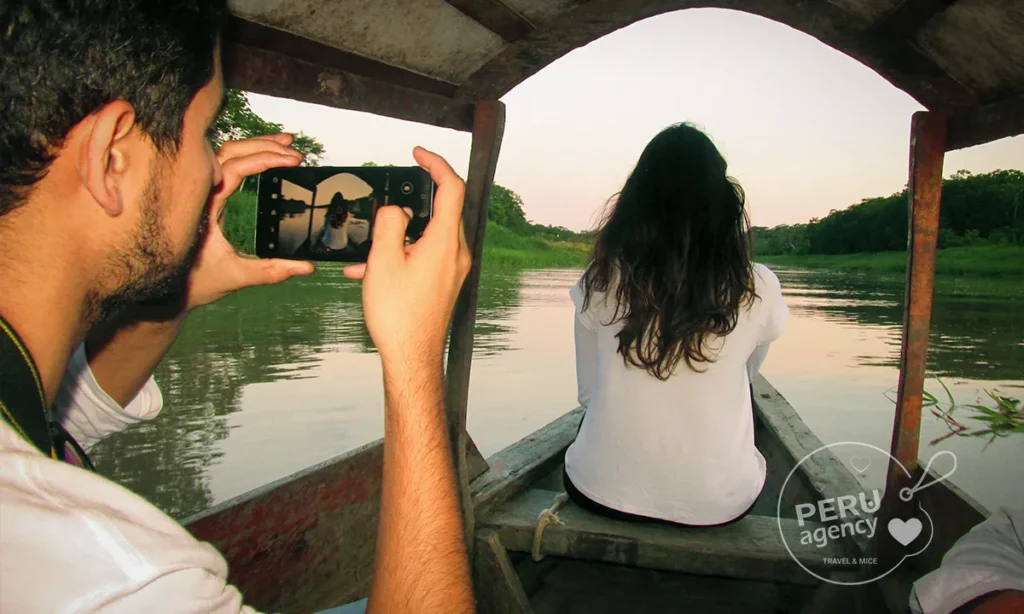
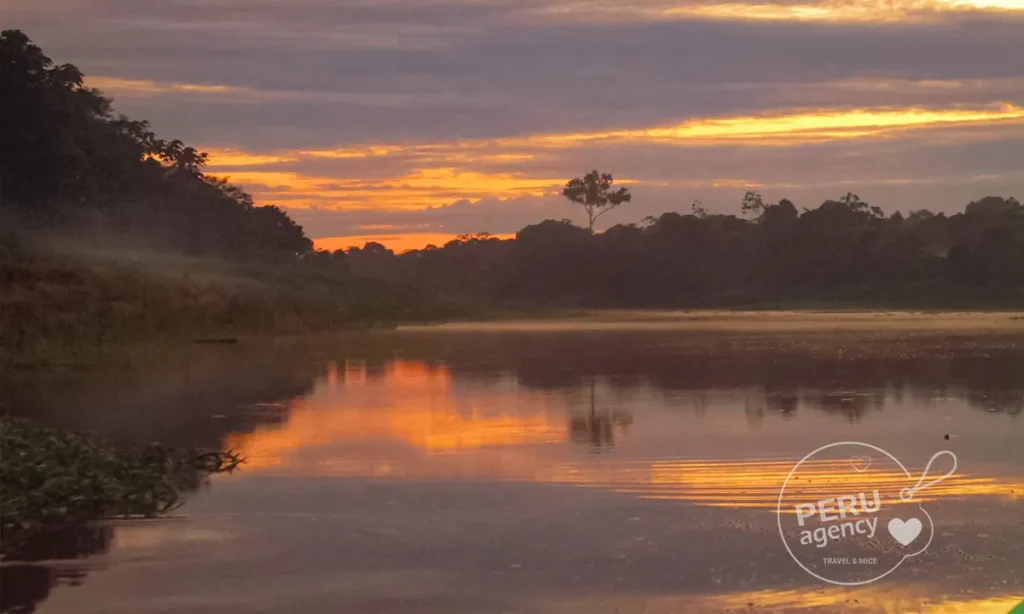

Absolutely, but including the Amazon usually means choosing a different route rather than adding it on top of every destination above. For example, you could skip the southern coast or Lake Titicaca and spend several days exploring the rainforest around Puerto Maldonado or Iquitos.
The Amazon offers a completely different perspective on Peru, with river journeys, forest walks, and opportunities to observe wildlife. Sightings are never guaranteed, and the most rewarding experiences are those that respect ecosystems and local communities.
If rainforest wildlife is one of your priorities, compare our 14-day Inca Trail, Machu Picchu and Amazon tour with our 12-day Machu Picchu, Andes and Amazon adventure. You can also explore the Amazon destination guide.
Which 14-Day Peru Trip Is Right for You?
For a classic cultural journey: Consider our 14-day trip through Lima, Cusco, Machu Picchu and Arequipa. It’s a starting point for travelers who want a broad introduction to Peru’s cities and iconic landscapes.
For families: Our 14-day Peru family tour with Machu Picchu, Lake Titicaca and glamping is designed around shared experiences and a different style of travel.
For hiking and rainforest experiences: Explore our 14-day Inca Trail, Machu Picchu and Amazon journey. It may be a better fit if trekking and wildlife are higher priorities than visiting every major city.
These are different tour options — not promises that every destination in this sample itinerary is included in each package. Check each detailed itinerary before choosing.
Practical Tips for Planning Two Weeks in Peru
When is the best time to go?
Conditions vary considerably between the coast, Andes, and rainforest. There is no single month that’s perfect everywhere. The drier months in the Andes are often popular for hiking, while coastal weather follows a different seasonal pattern. Our best time to visit Peru guide explains the trade-offs.
How should you travel between destinations?
Domestic flights can save time on long distances, while buses and private transfers may make sense for some regional journeys. Choose the combination that supports your budget and comfort rather than automatically selecting the cheapest route. Read our transportation guide to Peru.
What should you pack?
Layers are essential when your itinerary includes both warm coastal areas and cooler Andean mornings or evenings. Comfortable walking shoes, sun protection, and clothing suitable for changing weather conditions will make a big difference. See our Peru packing list.
How much should you budget?
The cost of a two-week Peru trip depends on your hotels, travel dates, internal transport, activities, and whether you prefer small-group or private services. Build a budget that includes meals, entrance tickets, transport, and contingency costs, not just accommodation. Our money in Peru guide will help you plan day-to-day spending.
Frequently Asked Questions About 14 Days in Peru
Is two weeks in Peru too rushed?
Not if you choose your priorities carefully. A route that includes every major region may feel rushed, while a slightly shorter list of destinations gives you more time to enjoy each stop.
Should I visit Lake Titicaca or the Amazon?
Choose Lake Titicaca if you’re most interested in highland scenery and community-focused cultural experiences. Choose the Amazon if wildlife, rainforest ecosystems, and time in nature are your main interests. Both deserve more than a quick stop.
Can I do the Inca Trail on a 14-day trip?
Yes, but a multi-day trek takes the place of other activities in your itinerary. The classic 4-day Inca Trail requires advance planning and permits, so decide early if hiking is a priority.
Is this itinerary suitable for families?
It can be adapted, but families may prefer fewer hotel changes, shorter transfer days, and age-appropriate activities. A dedicated family itinerary can provide a more comfortable pace.
Can Peru Agency customize a 14-day itinerary?
Yes. Whether your ideal trip focuses on culture, food, trekking, wildlife, or time together as a family, Peru Agency can help you build a journey around those interests. Start by comparing our 14-day tour options, then contact our team to discuss your travel dates and priorities.
Make Your Two Weeks in Peru Your Own
The best 14-day Peru itinerary isn’t necessarily the one with the most stops. It’s the one that gives you time to connect with the places you came to see. From Lima’s food scene to Andean villages and the unforgettable setting of Machu Picchu, Peru offers plenty of reasons to take your time.
Ready to start planning? Explore our 14-day classic Peru journey, our family-friendly 14-day tour, or our 14-day Inca Trail and Amazon adventure and choose the experience that feels right for you.