

In Peru, food is often the beginning of a conversation. A market vendor might explain how to choose the ripest fruit, a home cook might share a family recipe, and a farmer might show you crops that have been grown in the Andes for generations. A culinary journey brings these encounters together, offering a way to experience the country through the people who grow, prepare, and share its food.
This itinerary inspiration is for travelers who want more than a restaurant checklist. It combines Lima’s lively food scene with Andean traditions, local markets, coffee and cacao, and meaningful time with communities. You can enjoy it as a food-focused holiday or weave selected experiences into a wider Peru trip.
Why Explore Peru Through Food?
Peruvian cooking reflects the country’s geography and history. Pacific seafood, high-altitude crops, tropical fruits, and centuries of cultural exchange all have a place at the table. Yet the best culinary memories are often simple: a freshly made dish at a neighborhood lunch spot, a conversation at a market stall, or a recipe learned from someone who has prepared it for years.
If you want an introduction to Peru’s classic dishes and how they vary across the country, begin with our guide to traditional food in Peru. This page takes the next step: how to experience those flavors while traveling.
Start in Lima: Markets, Ceviche, and Contemporary Cuisine
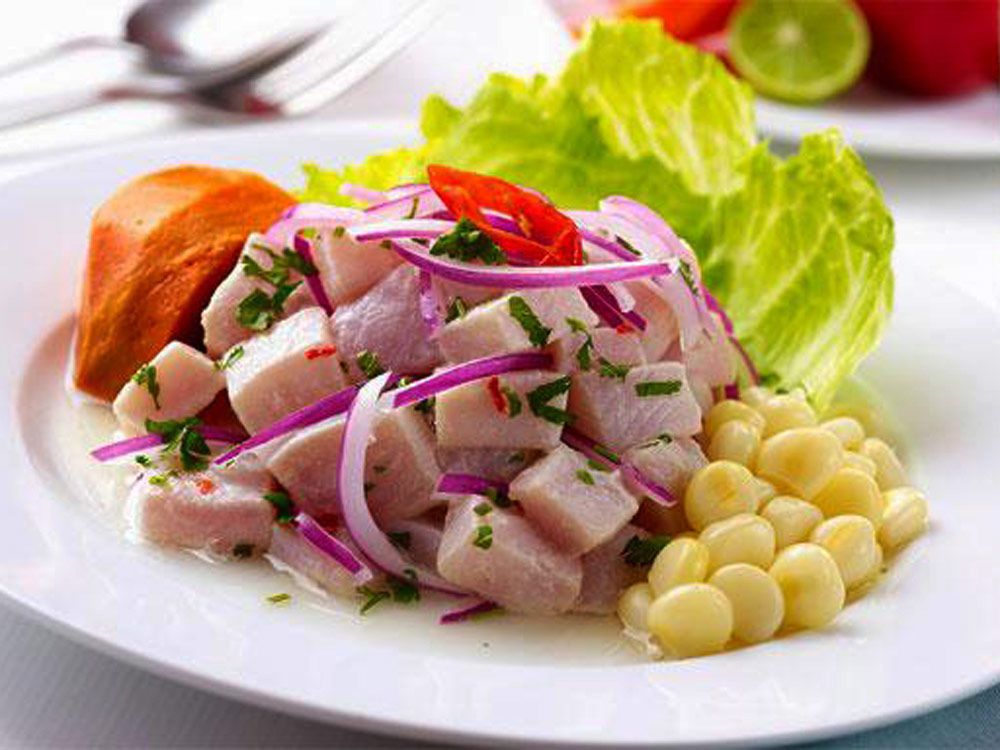


Lima is a natural starting point for a culinary trip. Alongside creative restaurants, you’ll find neighborhood markets, small family-run eateries, bakeries, and places where recipes carry influences from across Peru and beyond. Allow time to explore at a relaxed pace rather than squeezing several tastings into a single afternoon.
Explore a Local Market
A guided market visit can help you recognize native fruits, different varieties of ají peppers, herbs, and seasonal ingredients you might not otherwise notice. Ask what is in season, taste only foods prepared safely, and remember that markets are working spaces as well as visitor attractions.
Discover the Stories Behind the Dishes
Ceviche often gets the spotlight, but Lima’s food culture extends to causa, anticuchos, lomo saltado, and dishes connected to Chinese and Japanese influences. Learning why a dish is made in a particular way is just as rewarding as tasting it. For a more immersive city experience, see our 4-day Lima culinary tour.
Continue to Cusco: Food Rooted in the Andes
In Cusco and the Sacred Valley, the food story changes with the landscape. Markets display colorful native potatoes, corn, beans, and grains grown at different elevations. Here, agricultural traditions are closely tied to community life, seasonal harvests, and the region’s history.
Try Andean Ingredients in Their Place of Origin
Look out for comforting soups, dishes made with local corn and potatoes, and preparations featuring quinoa and other grains. These ingredients are more than fashionable superfoods: they have long been part of everyday life in the Andes. Read the history of quinoa (quinua) to understand one particularly important crop.
Choose Community-Based Experiences Thoughtfully
A small-group cooking demonstration or community visit can create opportunities to learn directly from local hosts. Choose experiences that respect residents’ time, use clear arrangements, and fairly compensate participants. If community-led cultural exchange interests you, explore our Amaru community experience. Check the tour details to understand which activities are included.
For travelers combining Andean gastronomy with iconic sights, our 4-day Cusco food and Machu Picchu journey provides one possible starting point for planning.
Coffee, Cacao, and the People Behind the Ingredients
Peru’s culinary identity is not limited to plated dishes. Coffee and cacao open another window into rural landscapes, production methods, and the work behind familiar flavors. Visiting a producer or taking part in an appropriate tasting can reveal how altitude, climate, fermentation, and roasting affect the final product.
A good tasting experience gives as much attention to the people and production process as to the finished cup or chocolate. You could build a food-focused itinerary around coffee with our 6-day Peru tour and coffee experience.
Pisco and Peru’s Culinary Traditions
If you enjoy discovering local drinks, consider adding a responsibly organized pisco tasting to your itinerary. Pisco is a grape spirit with a long history in Peru, and learning about varieties and production can help you understand a different part of the country’s agricultural heritage. Non-alcoholic tastings featuring local fruits and traditional refreshments are worthwhile alternatives.
You do not need to center your trip on alcohol to appreciate this part of culinary culture. A visit is most meaningful when it includes context, conversation, and time to ask questions.
A Flexible 6-Day Culinary Peru Itinerary
This is an example of how to combine the capital and the Andes, not a fixed departure or a list of inclusions for any particular tour. Flights, train tickets, entrance availability, and altitude adjustment may require changes.
Days 1–2: Lima
Arrive, settle in, and enjoy an unhurried first meal. On the following day, visit a local market with a knowledgeable guide and explore coastal cooking traditions through a food-focused neighborhood experience.
Day 3: Lima to Cusco
Travel to Cusco and keep your schedule light. At high altitude, it is wise to rest, hydrate, and avoid an overly packed first afternoon. Enjoy a simple local meal and take time to adjust.
Day 4: Sacred Valley
Explore Andean ingredients and rural traditions through a carefully selected community or food experience. Make space for conversations and the landscape rather than treating every stop as a quick photo opportunity.
Day 5: Cusco or Machu Picchu
Choose between more time exploring Cusco’s markets and cooking traditions or a day focused on Machu Picchu, depending on your interests and available transportation. These options have very different schedules and should be planned in advance.
Day 6: Final Tastes and Departure
Enjoy a relaxed breakfast, revisit a favorite local spot, or pick up products that are legal and practical to bring home. Arrange your onward travel with enough flexibility for connections.
For a ready-made starting point that brings gastronomy together with Peru’s best-known archaeological destination, compare our 6-day gastronomy tour from Lima to Machu Picchu. Always consult the actual package itinerary for confirmed inclusions.
How to Plan a Culinary Trip That Feels Personal
Mix Familiar Favorites with New Discoveries
It makes sense to try ceviche and other well-known dishes, but leave room for something you have never heard of. Ask local guides and hosts about their everyday favorites, not only the meals recommended by international rankings.
Make Room for the Seasons
Ingredients and harvest calendars differ between the coast, Andes, and Amazon. A market visit in one season may feel very different in another. Our best time to visit Peru guide can help you plan the wider journey.
Consider Food Safety and Dietary Needs
Tell your guide or hosts about allergies and dietary restrictions before activities are booked. Choose drinking water and food preparation practices that suit your needs, particularly during travel days. If you are unsure about altitude or travel health precautions, consult a qualified healthcare professional before departure.
Support Local Producers
Choose experiences where the people producing the food have a voice in how it is presented and receive fair payment. Buying locally can be meaningful, but respectful interactions matter more than collecting souvenirs or photos.
Frequently Asked Questions About Culinary Travel in Peru
Is Lima the best place to start a food tour?
For many travelers, yes. It offers a broad introduction to regional cooking, market ingredients, and modern interpretations. Cusco and the Sacred Valley add a different perspective centered on Andean crops and traditions.
How many days do I need for a culinary trip?
Three or four days can give you a taste of one destination. Around six or seven days allows you to combine Lima with Cusco or the Sacred Valley, although travel time and altitude adaptation need to be considered.
Can I combine food experiences with Machu Picchu?
Yes. Food experiences can complement a visit to Machu Picchu, but train arrangements, entry tickets, and the schedule of the archaeological visit should be confirmed before adding culinary activities.
Do I need to be an experienced food lover?
Not at all. Curiosity is enough. A good experience should help you understand the ingredients, people, and traditions without requiring specialist knowledge.
Can dietary preferences be accommodated?
Often, but not every activity can adapt every recipe. Share your requirements in advance so the provider can confirm what is possible rather than assuming substitutions will always be available.
Plan Your Own Culinary Journey in Peru
A great food-focused trip should reflect your tastes, pace, and curiosity. You might want a few days exploring Lima’s markets, more time meeting Andean producers, or a longer journey connecting cuisine with culture and landscapes. Peru Agency can help you compare options and design an itinerary around the experiences that matter most to you.
Tell us the places you hope to visit, your travel dates, and the food experiences you would love to try. We can help you shape a journey that feels personal, well paced, and rooted in Peru.