


An unforgettable journey between two countries, from the stone streets of Cusco to Bolivia’s immense white salt flats.
If you are dreaming of Machu Picchu, Lake Titicaca and Salar de Uyuni in the same trip, Peru and Bolivia fit together beautifully. The landscapes change dramatically along the way, but one thread connects them: the cultures and communities of the Andes. This guide helps you plan a rewarding route without rushing through every stop.
Why Combine Peru and Bolivia?
A Peru and Bolivia itinerary brings together remarkable archaeological sites, living traditions and some of South America’s most distinctive scenery. In Peru, explore the Sacred Valley and stand above the terraces of Machu Picchu. Continue to Lake Titicaca, shared by both countries, before discovering La Paz and the vast salt flats around Uyuni.
The journey is best enjoyed at a measured pace. Many stops are at significant elevations, and the road between them can take longer than the distance suggests. A little flexibility makes space for meaningful encounters, quiet mornings and unexpected discoveries.
How Many Days Do You Need for Peru and Bolivia?
Around 12 to 16 days is a sensible starting point for Cusco, Machu Picchu, Lake Titicaca, La Paz and Uyuni. With 18 to 21 days, you can add Lima, more time in the Sacred Valley or a longer exploration of Bolivia. Shorter trips are possible, but they usually require more flights and fewer overnight stops.
The route below is a suggested 15-day example, not a fixed Peru Agency package. Transport, entry reservations and seasonal conditions should always be checked before booking.
Suggested 15-Day Peru and Bolivia Itinerary


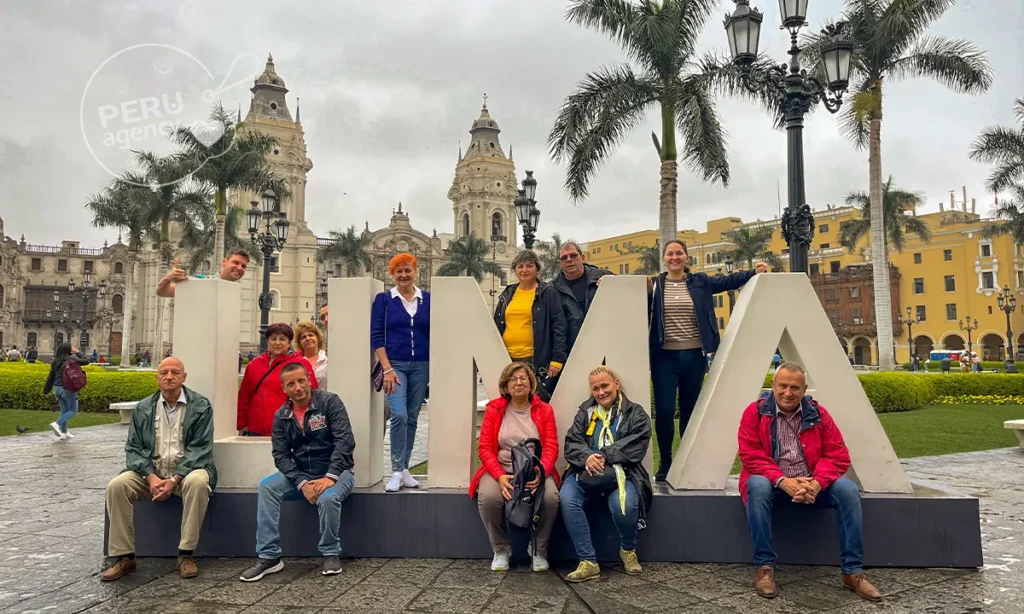
Days 1–2: Arrive in Cusco and Settle Into the Andes
Begin gently in Cusco, a city where Inca stonework and colonial-era streets meet at almost every corner. Walk around San Blas, enjoy a relaxed meal and give yourself time to adjust to the elevation. Avoid scheduling a strenuous hike immediately after arriving from sea level.
For a closer look at the city and its cultural highlights, read our Cusco travel guide.
Days 3–4: Discover the Sacred Valley
Head into the Sacred Valley for agricultural terraces, traditional markets and villages surrounded by mountain scenery. Sites such as Pisac and Ollantaytambo offer a chance to understand the region beyond its most famous landmark. Consider spending a night in the valley rather than returning to Cusco after every excursion.
Families and travelers interested in local traditions can also explore our Amaru community experience.
Day 5: Visit Machu Picchu
Travel by train or follow a prebooked trekking route to reach Machu Picchu. Entering the site is an extraordinary experience, but planning matters: tickets are tied to specific circuits, dates and entry times. Book well ahead in peak periods and confirm your transport connections.
Return to the Sacred Valley or Cusco according to your chosen train and accommodation arrangements.
Days 6–7: Travel to Lake Titicaca and Explore Puno
Continue toward Puno and the shores of Lake Titicaca. Depending on your schedule, the journey can be made by road or by combining available transport options. Spend time learning about the lake’s communities and cultural traditions, including visits to Uros, Taquile or Amantaní when appropriate.
Our Lake Titicaca destination guide offers more background, while the 4-day Puno and Lake Titicaca tour gives you an example of a more focused lake experience.
Day 8: Cross Into Bolivia via Copacabana
Travel from Puno toward the Bolivia border, often using the Kasani crossing for Copacabana. Allow time for immigration formalities on both sides, and verify the permitted crossing hours and visa requirements for your nationality before departure. Only use authorized border routes and ensure your entry and exit are registered.
Once in Copacabana, enjoy a slower afternoon by the lake. If your schedule allows, consider the Isla del Sol as a separate excursion rather than squeezing it into an already long transfer day.
Days 9–10: Experience La Paz
La Paz is a fascinating city of steep streets, markets and dramatic views. Ride the urban cable cars, explore local neighborhoods with a knowledgeable guide and take time to notice how daily life unfolds across the valley. Rather than stacking activities, keep some room for rest at altitude.
Days 11–13: Explore Salar de Uyuni
From La Paz, continue to Uyuni using the transport option that best fits your time and comfort preferences. The salt flats seem to stretch endlessly toward the horizon. During the rainy season, shallow water may create the celebrated mirror effect; in drier conditions, the geometric salt surface offers a different kind of beauty. Neither effect is guaranteed on a particular date.
If you have more time for remote landscapes and high-altitude lagoons, discover our Uyuni Tours & Lakes 3 Days experience. For a shorter visit, the Uyuni Salt Flat Full Day Tour may suit your schedule better.
Days 14–15: Return or Continue Your Journey
Use the final days for your return journey, ideally with a buffer before an international departure. Connections between Uyuni, La Paz and onward airports can change, so check current schedules rather than assuming a same-day transfer will always work.
Best Time to Visit Peru and Bolivia
The dry season, roughly May through September, is popular for trekking and generally brings clearer conditions across much of the Andean highlands, though mornings and nights can be cold. Between approximately December and March, the Uyuni salt flats may show reflective water surfaces, but rain can affect access to some routes. Weather varies significantly by region and altitude.
To plan your dates in more detail, see our best time to visit Peru guide.
Altitude, Border Crossings and Practical Travel Tips
Take Altitude Seriously
Cusco, Puno, La Paz and Uyuni are all high-altitude destinations. Build in easy first days, stay hydrated and speak with a qualified healthcare professional about personal health needs or preventive medication. If significant symptoms develop, do not continue ascending.
Read our practical advice on altitude in Peru.
Check Immigration Requirements Before Departure
Entry rules depend on your passport, nationality and travel circumstances. Peru and Bolivia have separate immigration requirements, even when you travel overland between them. Confirm passport validity, visa eligibility and border operating hours from official sources before your trip. A valid exit and entry record is essential.
Pack for Contrasting Conditions
Bring layers for cold mornings and evenings, sunscreen for strong high-altitude sunlight, comfortable walking shoes and protection from rain when traveling in wetter months. Keep essential documents and medication accessible during long transfers.
Travel with Respect for Local Communities
Ask before photographing people, choose locally operated services when possible and follow site rules. On Lake Titicaca and in Andean villages, experiences are more meaningful when they are based on mutual respect rather than treating daily life as a performance.
Can You Customize This Peru and Bolivia Route?
Absolutely. Some travelers want more archaeology, while others prefer outdoor adventure or an unhurried cultural itinerary. The route can start in Lima, add a longer stay around Lake Titicaca or replace a few city days with more time at Uyuni. The right plan depends on your travel dates, international flights and preferred pace.
Peru Agency can help you shape a trip around these priorities, with realistic transfers and experiences matched to your interests. The individual tours mentioned here are planning options, not components automatically included in a single combined package.
Frequently Asked Questions About Peru and Bolivia
Is two weeks enough to visit Peru and Bolivia?
Yes, two weeks can work for a focused trip covering Cusco, Machu Picchu, Lake Titicaca, La Paz and Uyuni. Plan transfers carefully and avoid trying to include every major city in either country.
Can you travel from Peru to Bolivia by land?
Yes. Travelers frequently cross near Lake Titicaca, including via the authorized Kasani border crossing for Copacabana. You must complete immigration procedures and verify current entry requirements.
What is the best way to reach Uyuni from La Paz?
Depending on current schedules and your preferences, you may choose a domestic flight or an overland journey. Compare total journey time, luggage arrangements and potential delays before booking.
Is Machu Picchu included in every Peru and Bolivia tour?
Not necessarily. This suggested route includes Machu Picchu, but individual packages and custom itineraries vary. Confirm the exact inclusions, tickets and transport before paying.
Should I visit Lake Titicaca on the Peru or Bolivia side?
Both sides offer distinct experiences. Puno is a gateway to island visits and community traditions, while Copacabana is a natural stop when continuing to La Paz. If possible, allow time to experience both without rushing.
Plan Your Great Andean Journey
A Peru and Bolivia adventure is not just a checklist of famous places. It is the feeling of walking ancient streets at sunrise, sharing stories beside Lake Titicaca and watching the horizon disappear into Uyuni’s salt landscape. Tell Peru Agency how you like to travel, and we can help design a route that feels like your own.